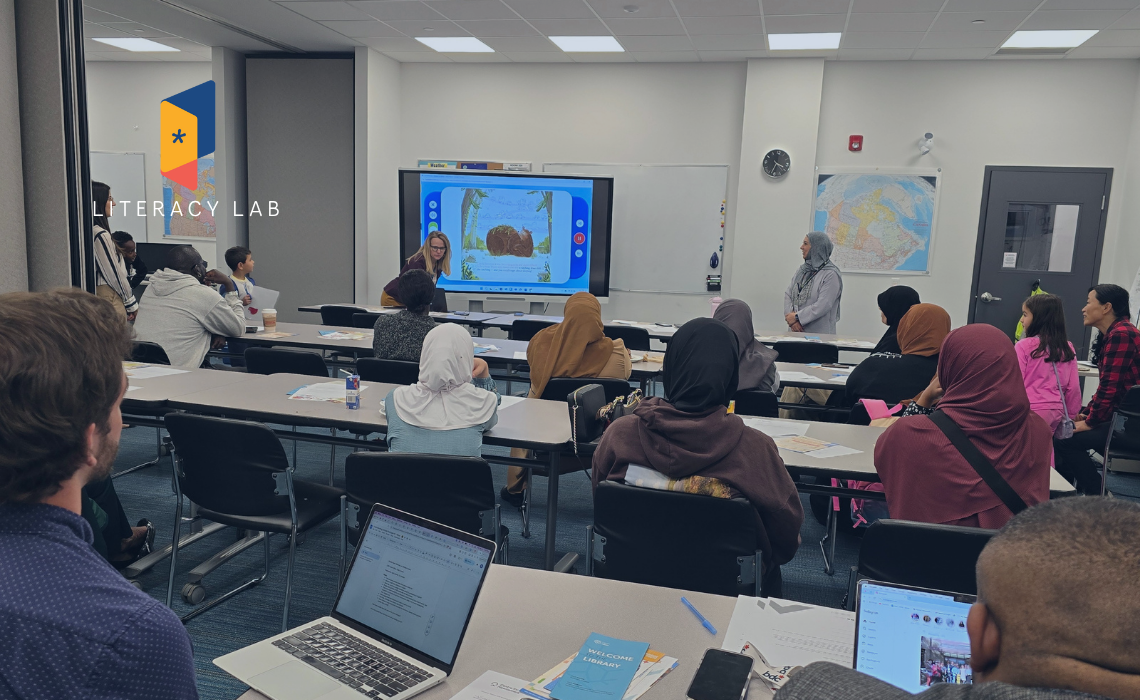
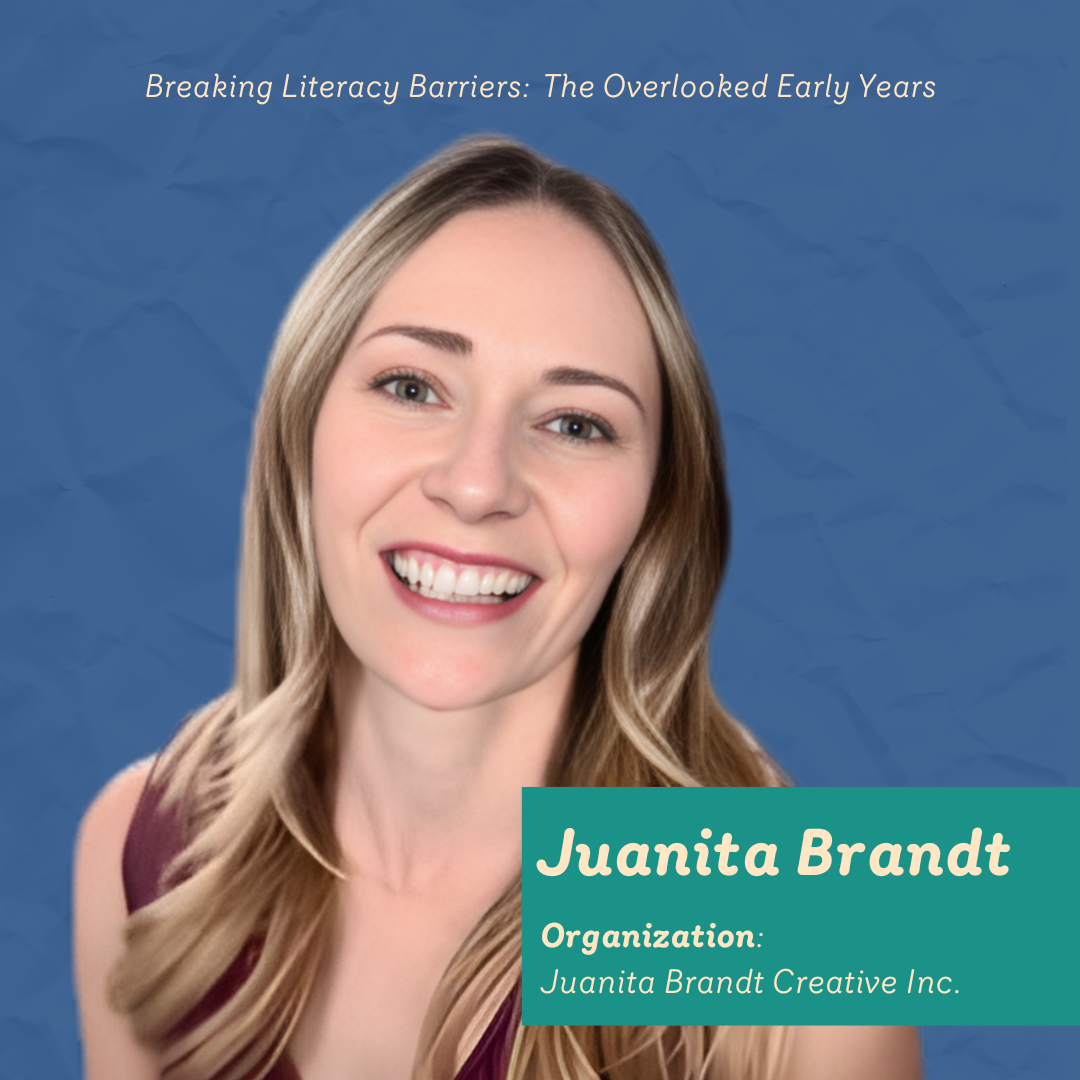
Across Alberta, children from underserved communities enter school without the necessary literacy foundation. The Literacy Lab has been working tirelessly to address this challenge, and one of its three focuses is the ‘Overlooked Early Years.’ In this conversation, we speak with Juanita Brandt, a lab participant passionate for advocating for change through inclusion and creativity.
Understanding the challenge
The Overlooked Early Years refer to the critical period before children enter formal schooling, when many miss out on foundational literacy skills due to limited resources or caregiver awareness. This gap places them behind their peers from the start of their education. By age 9, children need to transition from "learning to read" to "reading to learn," and if they haven’t mastered reading by Grade 3, it creates a lasting barrier to their learning. The Literacy Lab is working on solutions to support families, especially those facing difficult trade-offs, to ensure children have access to early literacy development. One such initiative, the Festival of Early Words, aims to raise awareness and equip caregivers with tools to foster language-rich environments at home.
Exploring with Juanita Brandt
Juanita has spent several years working in organizational change management in the space of IT services. She has worked with government agencies, non-profits, and healthcare organizations, and brings enthusiasm, positive energy, and lived experience into her work. Currently, she runs her own consulting service, Juanita Brandt Creative Inc. Juanita is deeply interested in societal change, equal access, and a universally designed world, and thrives on helping others.
As someone who doesn’t have a traditional literacy background, you bring a fresh perspective to the table. Would you be able to explain how you ended up engaging with the lab?
There’s kind of two things that got me involved with the lab. I have no formal literacy education, but I do have what I would call the lived education. I was looking for resources for my son who requires different ways of learning and support for his literacy needs. I also found out about the lab because I’m interested in change management. I practice change management in the space of IT change, but I'm also really fascinated and interested in societal changes, like helping achieve more of a universally designed world that gives people outside of the bell curve equal access to environments, learning, and just experiencing life.
What led you to care about this work?
I’m fascinated by how people can come together and cooperate and actually make change happen. I just had this deep interest in seeing society shift in a big way, but then having this personal connection to the subject matter… I just wanted to keep learning and keep contributing.
I also have a website, allthingschange.life , where I am exploring facilitation of change in new ways. One of the things I always think about is, ‘how can we actually create awareness about change?’, because awareness doesn’t just mean sending an email or telling someone something. Awareness needs to make you feel something. To become truly ‘aware’ you need to have a personal connection and deeper understanding of what something means to you. You need a chance to develop your own insight about the information you receive.
Why should other people care about this work (or the childhood literacy problem generally?)
The Supreme Court declared literacy as a human right. If we understood literacy to be a human right instead of the ability to read, or having a certain grade level of reading at school, or learning a second language, or all of those more tactical outcomes… the actual problem is that young kids are missing out on the ability to participate in life holistically because our world depends on being literate, being able to read, being able to understand languages, and making sense of stories. So if that is true, then why are we not treating it as something as important as eating, sleeping, and being loved? It’s more than just something academic or something you do at school. It’s how we function.
If we understood literacy to be a human right instead of the ability to read...It’s more than just something academic or something you do at school. It’s how we function.
What’s the biggest thing you’ve learned from working with the lab?
‘Hope’ is really one of the big things, because I see that there’s so much opportunity to make this better. And for my kiddo as well, he’s been progressing along his own development path as I’ve been involved.
I think I’ve also taken away more inspiration from everyone in the group… I guess on a more tactical level, there’s so much out there. We can bring it together, and we can do more with it. It’s almost like you’re trying to build a house but all you have is 2x4’s and so you make a house with them thinking, “This is the best house ever!” But then you meet someone who has drywall, and you’re like, “Oh my gosh! Let’s make a house with walls too.” It’s cool how much is out there and how much people know and how much people are doing.
What have you been reading this summer?
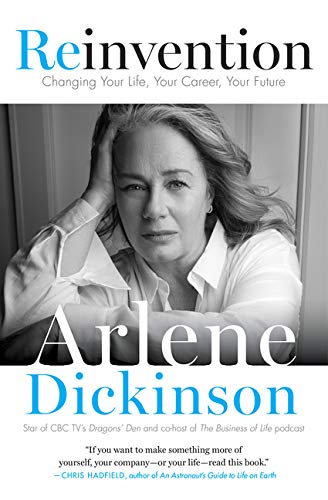
Reinvention by Arlene Dickinson
‘Hope’ is really one of the big things, because I see that there’s so much opportunity to make this better.
The literacy lab is coming to a close! The showcase will mark the end of the lab, but the story is far from over. The literacy ecosystem have been and will continue to work tirelessly to ensure that kids have the support they need to learn how to read.
Literacy Lab