Part B: Caring for the Carers: Restoration through Art-based Support
Blog Post by Nichelle Sterling
Continued from Part A: Factors Hindering Healthcare Autonomy in Youth Affected by Parental Substance Use and Restoration through Art based Support
The question then became, how might we bring voice and autonomy for individuals navigating these riddled systems? Starlings Community adopts the use of artistic creativity and storytelling as an outlet for youth. It allows younger people to use their own language in a safer space that understands and seeks to mitigate shame and guilt. Youth are encouraged to reflect on themselves as they are today and share their own perspectives as they deem fit. In response to Starlings’ initiative, further research was conducted on helpful techniques and practices in therapeutic spaces that deliver mental health care through artistic and creative mediums. Their efficacy was also evaluated before developing a set of my own. Personally, the most important takeaway from the bodies of research assessed that I knew had to be included in my own design was the discussions that were facilitated after the initial art practice itself.
Reflecting on the Deliverables
For one of the deliverables I developed an art booklet to be used internally by Starlings peer mentors along with an accompanying facilitators guide and therefore cannot be published. I brought on a fellow Mount Royal University student, Catherine Huynh, pursuing a Bachelor of Communication in Information Design to assist me with the design aspect of my deliverables. Our process of development lasted from late March and carried over into our summer break, with all the deliverables finally being wrapped up by the end of June. Keeping in mind conversations around accessibility I had within my trio, the language in these deliverables was kept at the grade six reading comprehension level. Much of my prior engagement with resources were ones that had been published reports or academic papers. In this project, we were keen to develop an internal resource, available to Starlings Community, to support and build capacity. This approach reflects the way that many non-profits work, creating internally generated resources to serve and support their primary communities which was a new insight for me. With that being said, the activity booklet and its facilitation guide will not be published on the Catamount website but instead, a brief overview of the guiding research will be provided.
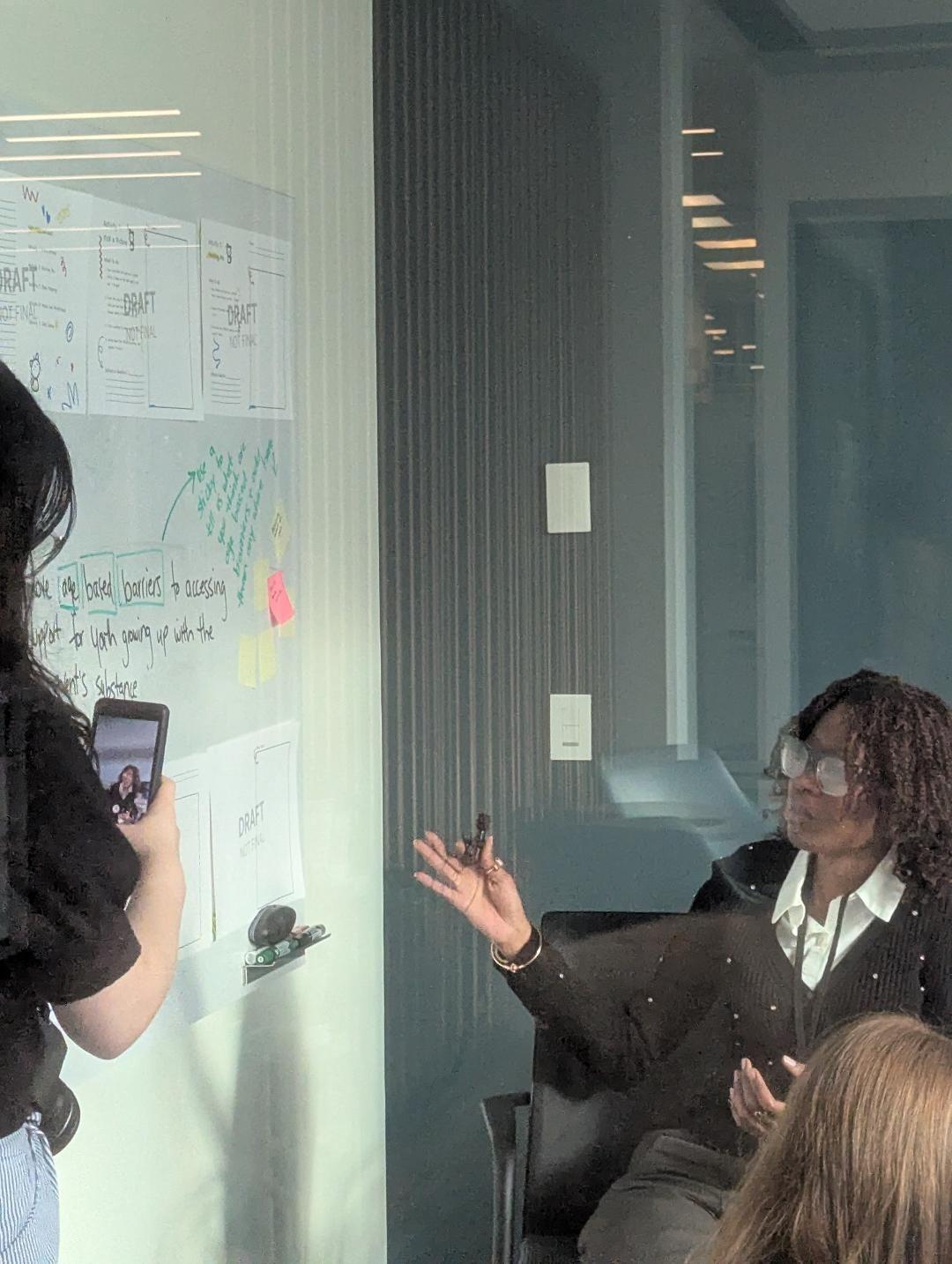
Figure 1. Presenting the draft version of my activity booklet created in collaboration with Catherine Huynh for Starlings Community.
The booklet was composed of five comprehensive activities, prompts for peer mentors to facilitate conversation and reflective questions they were able to ask after the activity had been completed. The intention with the booklet was grounded in our desire to build capacity for youth autonomy within mental health spaces. They would therefore be able to choose what they share, who they share it to and when they share it. Using these art practices not only served as a form of emotional regulation and self-reflection, but also maintained anonymity amongst peers.
My approach was grounded in Huet's (2026) study that found that art techniques had great advantage when used within clinical spaces to mitigate and manage chronic pain as well as associated factors such as depression and isolation. Participants diagnosed with fibromyalgia, -a chronic pain condition that affects the entirety of one's body-, used the body mapping activity to host online discussions surrounding their chronic pain and the underlying psychological effects that stemmed from their diagnosis. The body mapping activity showed great promise within the pilot project and with that, a version of the technique was also adapted into my own booklet.
are among the more commonly used substances worldwide (McGinty et al., 2019).
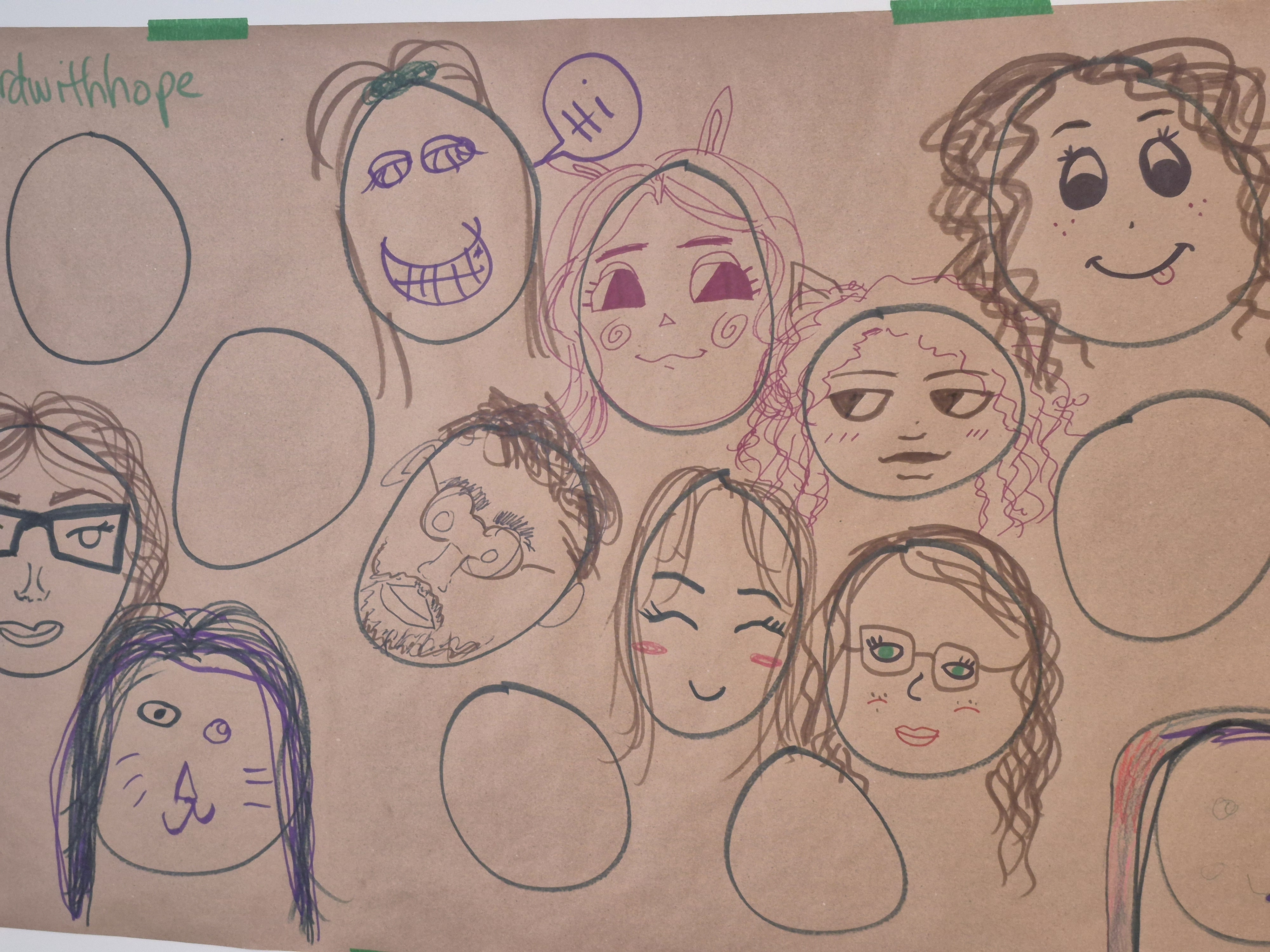 Figure 2. Opening Activity of Community Conversation: Participants were tasked with creating a drawing to represent how they were entering the venue.
Shukla et al., (2022) conducted a critical review of literature linked to the use of art therapy practices in the promotion of mental health. The researchers explain that it is a common practice aiding in the treatment of mental illnesses and mitigation of cognitive decline, and psychosocially challenging behaviours. Aside from the internalized symptoms that affect mental health, art therapy has also been used with patients diagnosed with HIV, Alzheimer’s, dementia, COVID-19, cancer, and a number of other chronic illnesses. Participants are encouraged to express themselves creatively which alleviates the burden of chronic symptoms and provides new methods by which to cope with stress. According to their literature search, art therapy can be correlated to an improved sense of self including greater self-sufficiency and self-esteem.
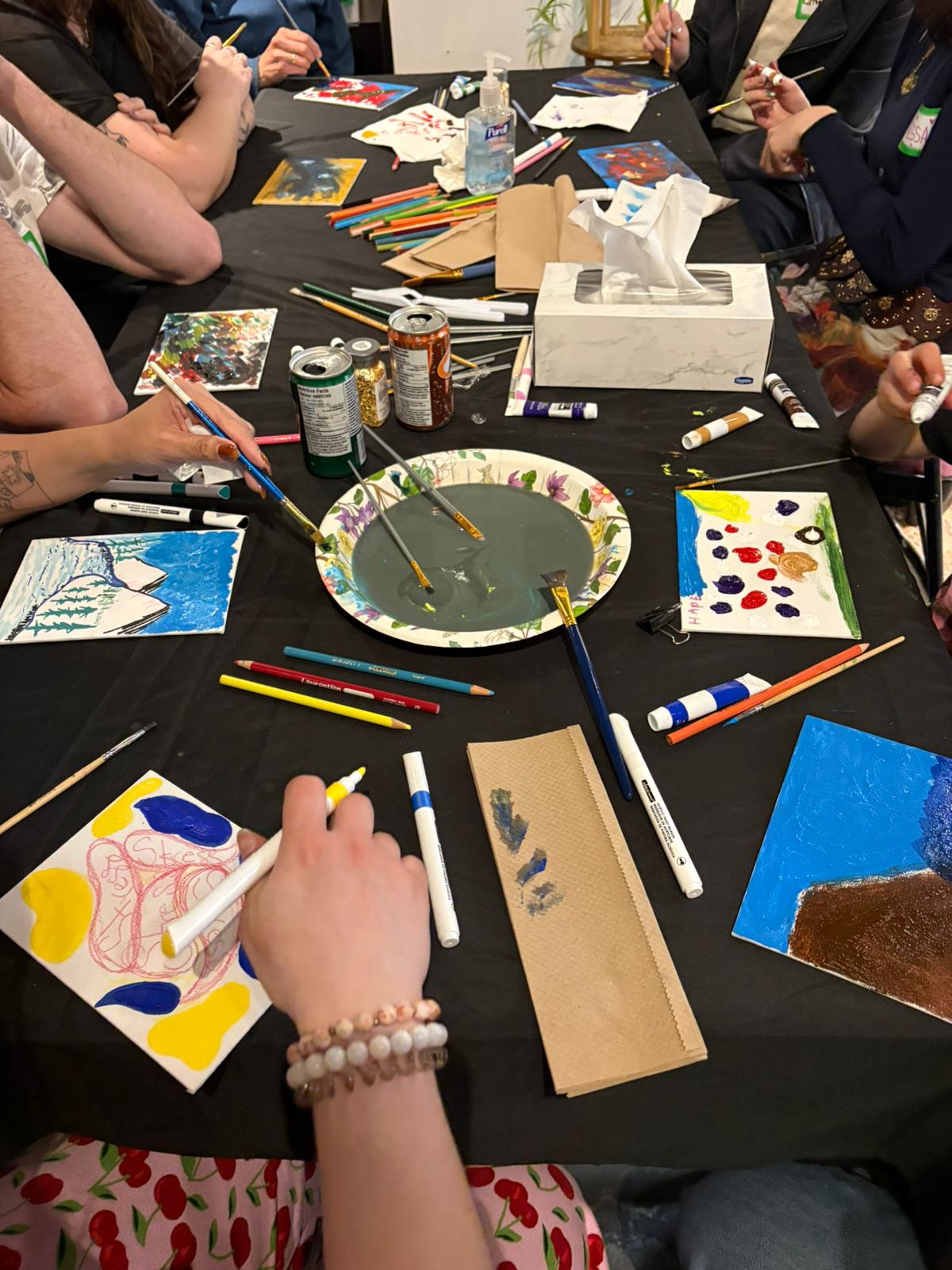
Figure 3. Closing Activity of Community Conversation: Peer mentors were guided through a variety of reflection-based prompts directed at regulating the nervous system to create their own art piece.
In a peer-led online group art-based skills program developed by Jewell et al. (2022), 38 individuals with Borderline Personality Disorder (BPD) were tasked with participating in artmaking for two hours weekly in hopes of improving their capacity to regulate their emotions and cope with stress. The analysis found that these factors improved as well as their interpersonal relationships, hope for personal wellbeing and their understanding of themselves and others. In fact, the results yielded a large improvement in emotion regulation among the 31 participants that completed the art-making program (effect size Cohen's d = 1.77), with 77.4% reporting an increase in wellbeing.
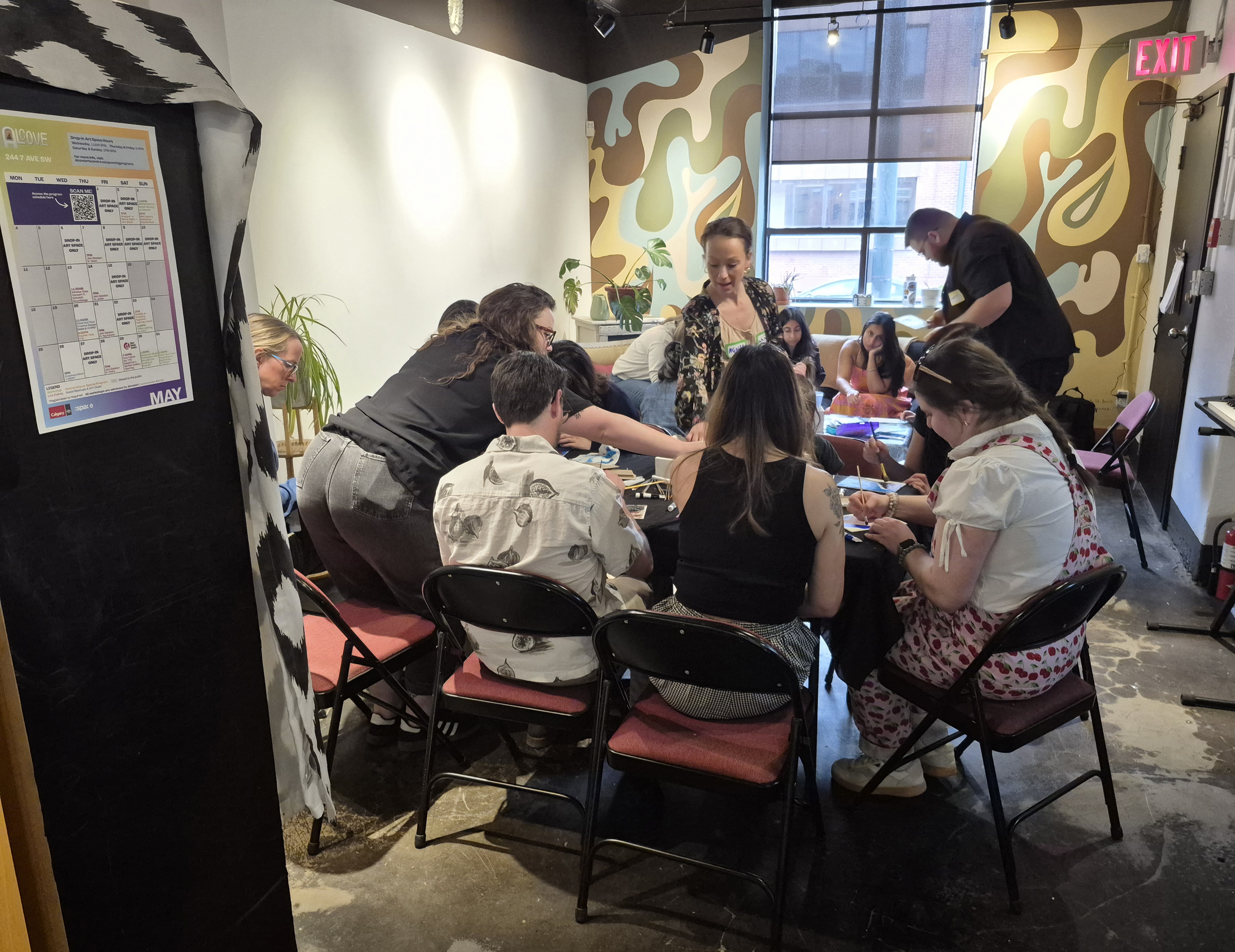
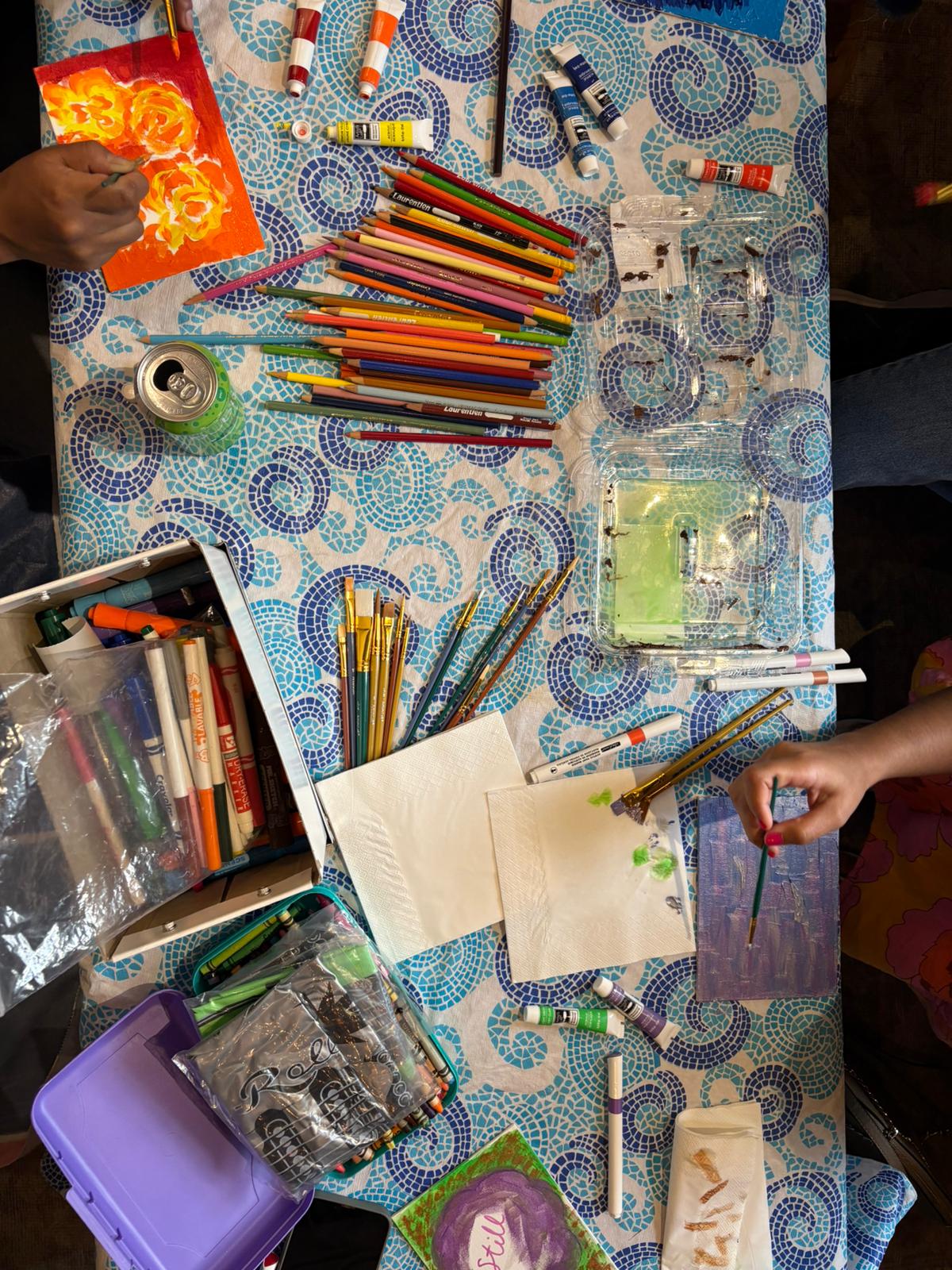
Figure 4: Staff at Starlings Community taking part in my guided painting
Group-based art therapy has also been used as an intervention for individuals experiencing depression and anxiety. Art is not only limited to painting and drawing. In Quinn et al. (2025) literature review, the arts and its interventions include visual arts, cultural arts, literature, performing arts, and digital and film. Differing forms of art showed varying improvements depending on the characteristics of participants, sociocultural context and the intervention characteristics. Regardless, the meta-analysis found participants who practiced arts-based interventions showed statistically significant reductions in clinical depressive symptoms and anxiety in relation to those who were not.
Reflections
Due to ethical considerations, the community conversation decidedly focused on the peer mentors and staff at Starlings Community who were all over the age of 18. Through the Catamount cohort session as well as the meetings I scheduled within my trio, I deployed systems thinking tools to effectively hone in on an idea for our community gathering. Specifically, the POP Model helped clarify the purpose, outcomes and procedures for each session, the Impact Gaps Canvas helped me identify the missing piece in the system we were attempting to establish and the initial systems map I created at the start of Catamount helped me to keep track of my ideas, thoughts and factors that contributed to the problem at hand. The use of systems thinking tools greatly impacted the way I facilitated these trio-led sessions and became a technique I would extend to use outside of Catamount as well.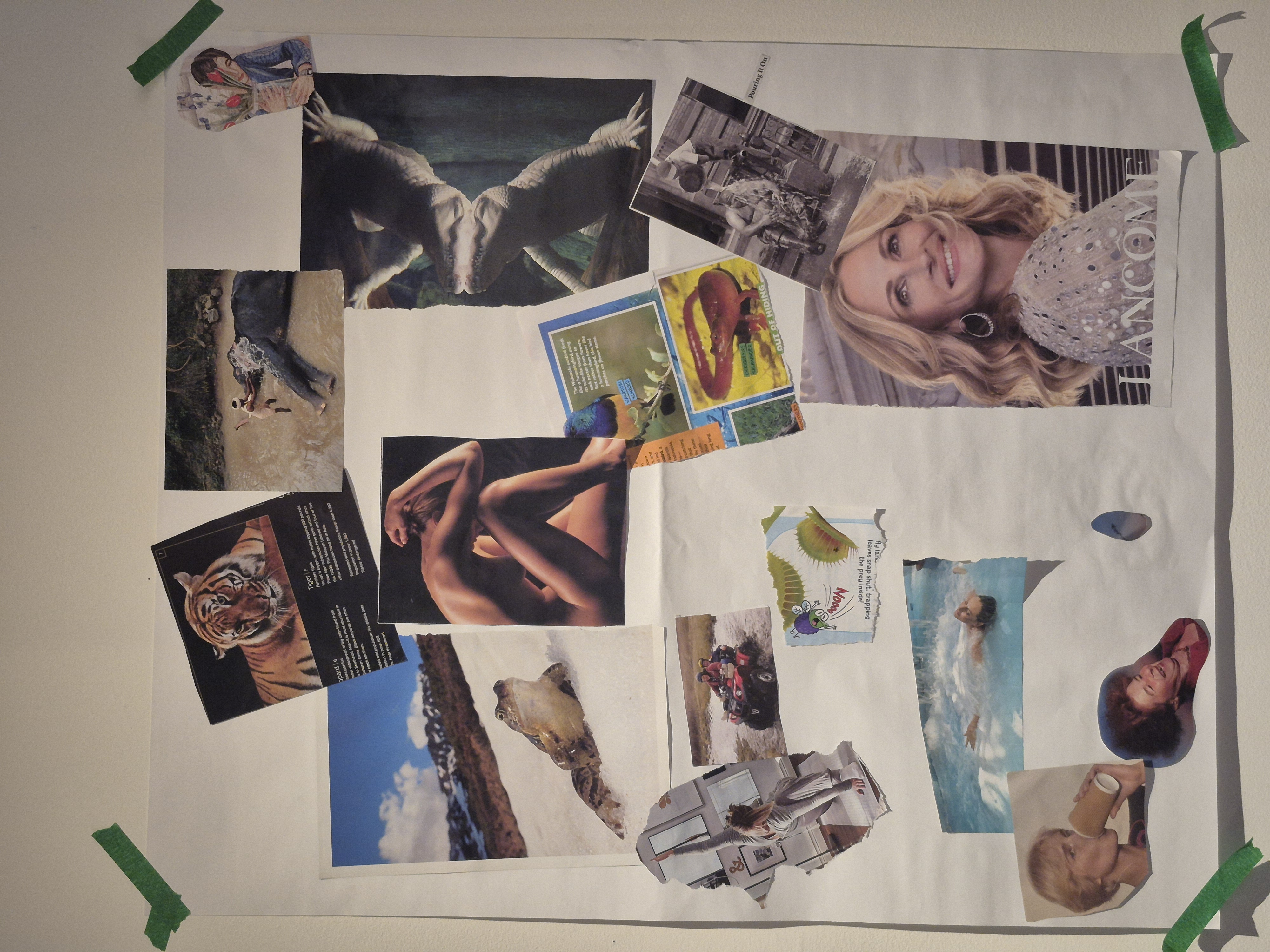
Figure 6. Collage Activity used in Community Conversation adapted from the Catamount cohort sessions
Through our conversations I began to grasp a better understanding of the question at hand, recognizing that my initial beliefs, -that rights and legislations were the main issue-, was merely a ‘shiny hat’ as my trio would come to call it. The shiny hat is merely a piece of the overall issue that has the appearance of the root problem but really is only another distraction while navigating through the wicked problem. I also learned to view research questions in a very different light than I once did.
 Figure 7: Engaging in conversation at The Catamount Showcase
As a psychology student, I approached the issue from a more clinical lens as outlined in my research paper. At the very start I wanted to write a literature review or an otherwise academic paper, host a conversation for professionals and leave it at that. I found that dismantling the way in which I approach questions was perhaps the most difficult gear in our system, especially when considering the often westernized biomedical model of learning that is not always as helpful as we would like it to be. Due to this, I find I have also developed a new way of thinking within my major. I think there is a tendency to forget the community we are trying to help whilst consumed by academic jargon; treating people as their symptoms rather than as individuals within institutions of healthcare and academia alike. Catamount allowed me to build a connection with the community I sought to assist which I believe changed the way I went about tackling this question through the deliverables.
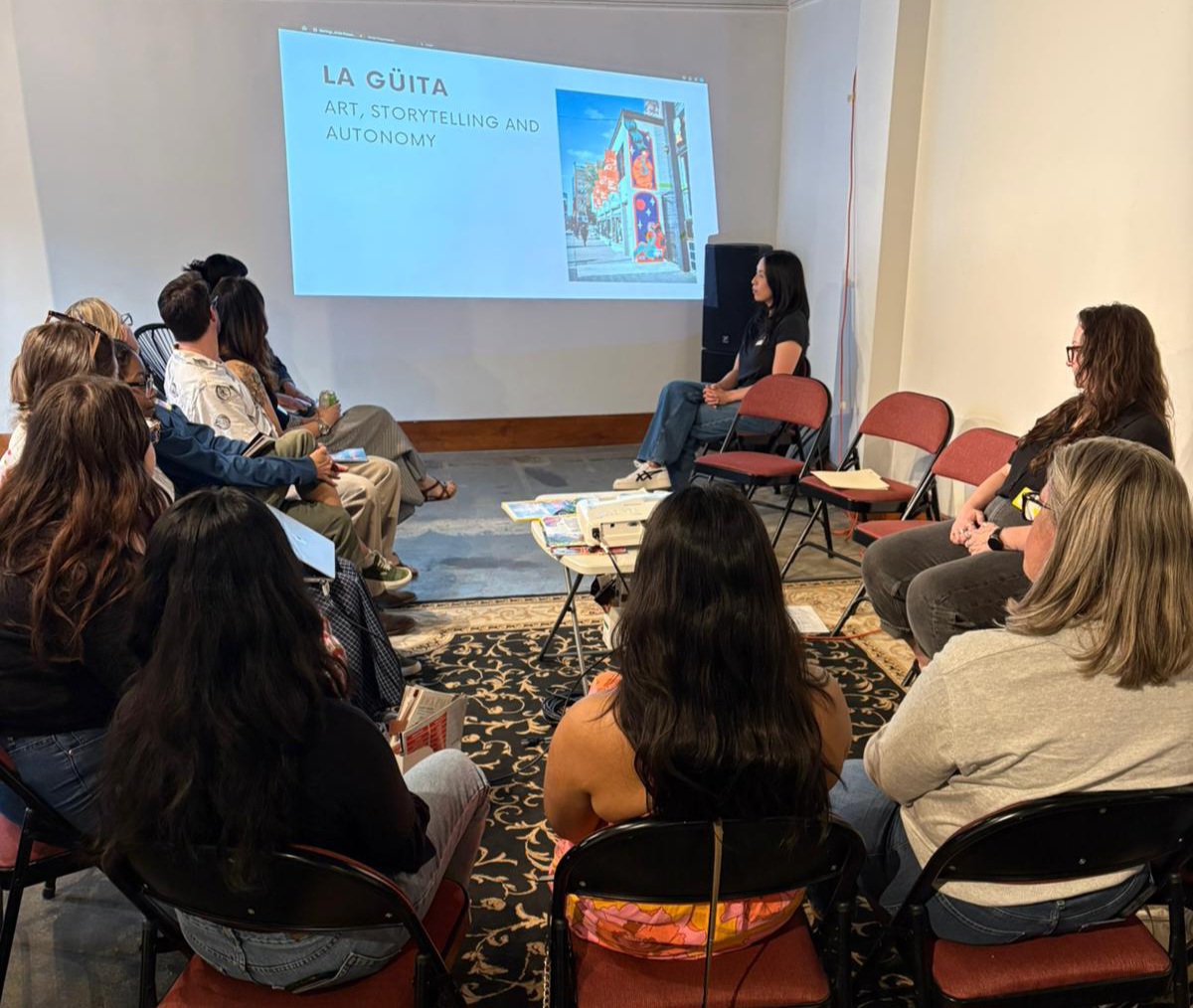 Figure 8. Calgary-based Nicaraguan Mural Artist La Güita (@joseelaguita) delivering a presentation to Starlings staff.
There was one meeting in particular in which all of our ideas seemed to flow effortlessly and the idea of an art-based workshop was brought forward. I suggested we request the assistance of an artist that matched our theme to set the tone of the evening with a 20 minute discussion as well as piloting the activities I would put in the art booklet I was developing for Starlings. This would make it so that the workshop was not solely an infosession, but also allowed time for reflection and relaxation amongst the peer mentors.
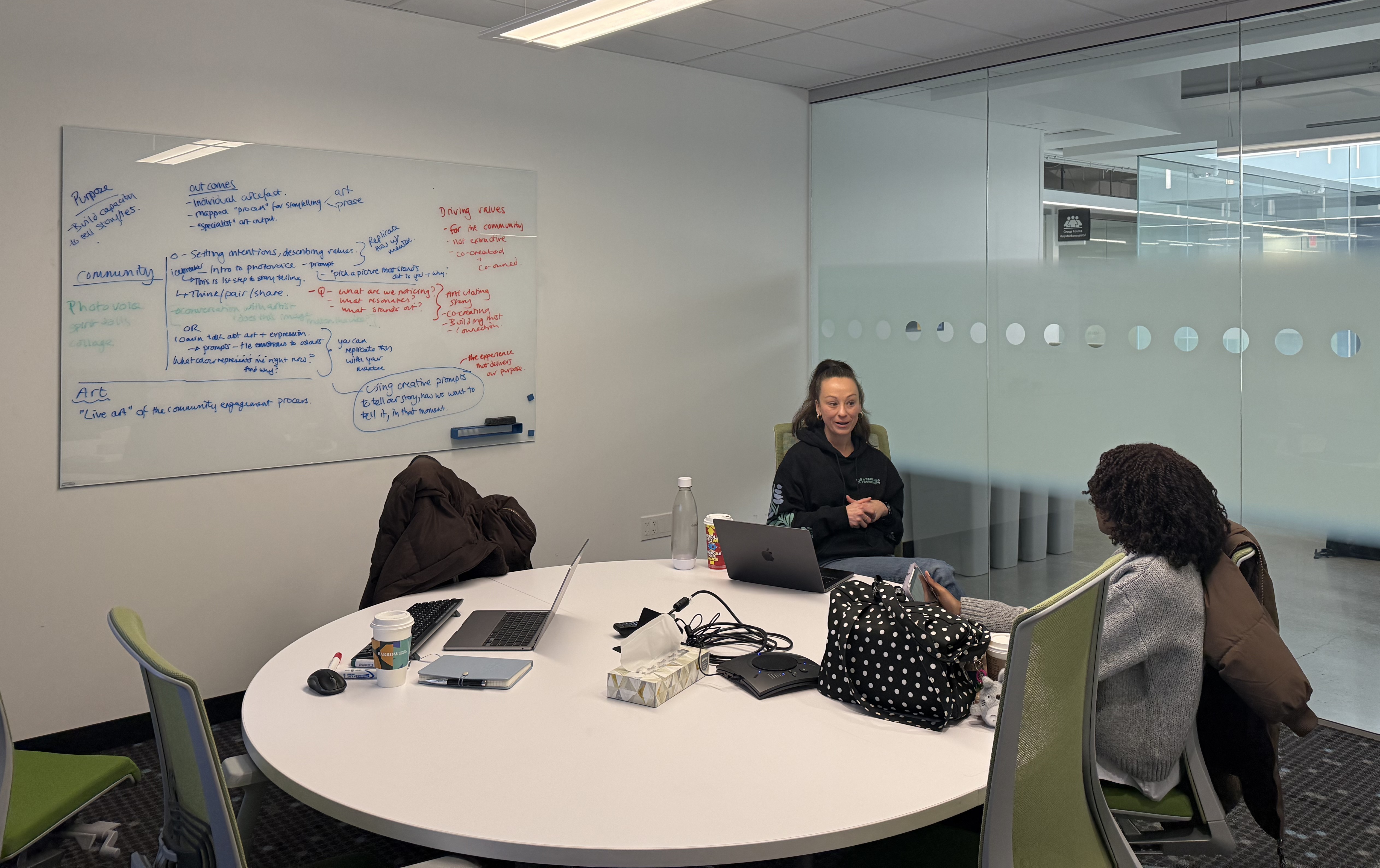
To conclude all that has been said, systems mapping helped greatly in identifying the key components of the barriers impacting youth under 18 attempting to access mental health services. What was initially believed to be the main issue however seemed to be incorrect upon further analysis, proving the importance of approaching a single problem from varying perspectives. While the combating factors were easy to outline with an extensive body of research to support these suspicions, deciding on arts-based peer resources took the most time and effort to develop. Through conversation, research and systems mapping, the resources created were deemed most helpful, providing space for agency, reflection, and healing amongst peer mentors, and hopefully, mentees as well.
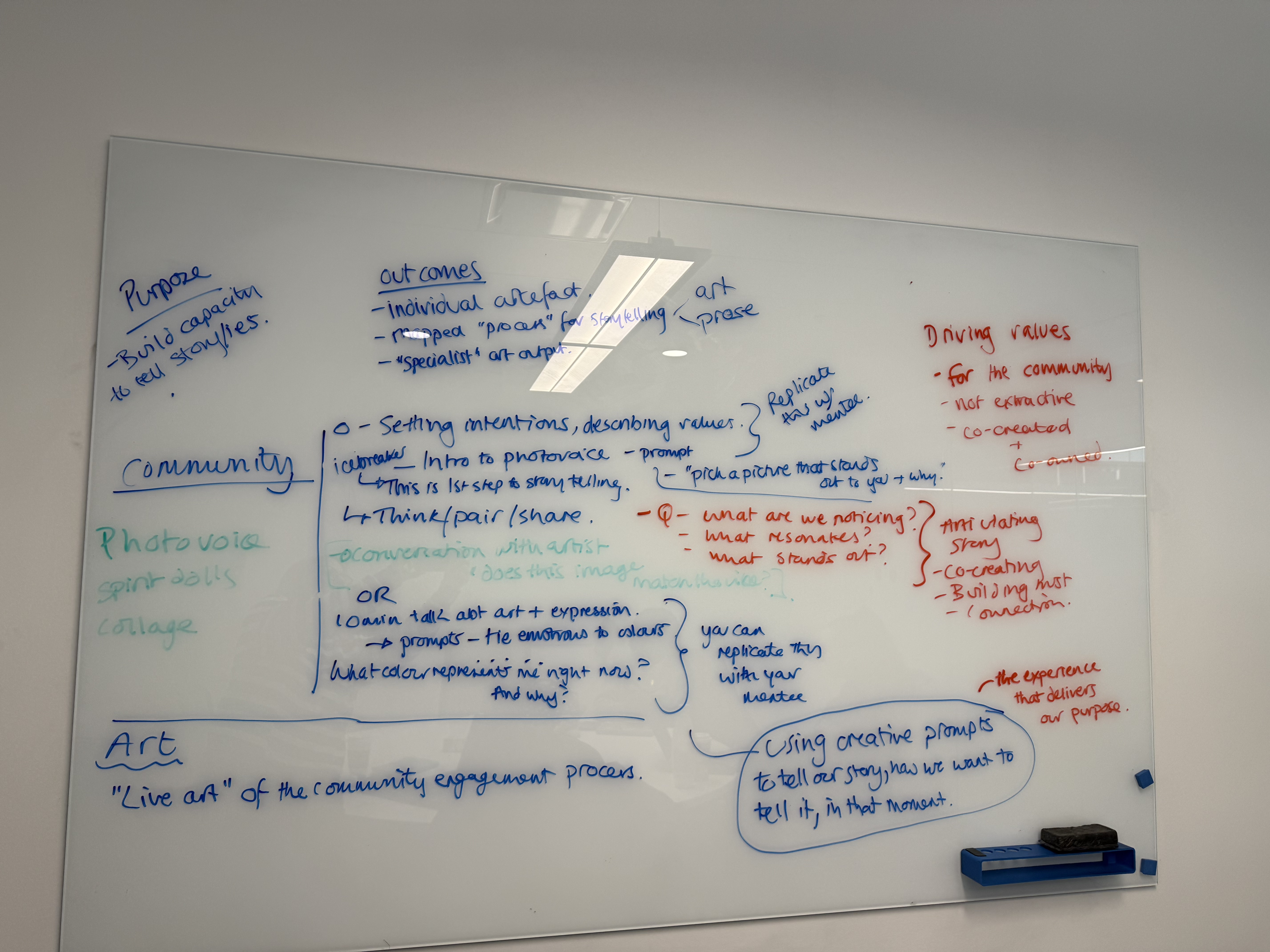 Figure 10. POP Model used to map out our Community Conversation
Agnes’ Reflection
Participating in the Catamount Fellowship was a valuable learning experience for Starlings Community.
At the outset of the project, our goal was to identify practical ways to reduce age-related barriers within formal support systems, particularly counselling and mental health services. The students' system mapping exercise helped visualize the many interconnected barriers that young people may encounter and how difficult these challenges can be to untangle. While the project began with a focus on improving access within existing systems, the mapping process highlighted why many young people never reach those supports in the first place. As a result, peer-based approaches that Starlings utilizes emerged as the most compelling option, and we are grateful to have new resources and tools developed by our Catamount student to add to our programming.
On a final note, working alongside the academic lead and Mount Royal Students (Nichelle and Catherine) was one of the most meaningful aspects of the whole fellowship. They brought thoughtful questions, fresh perspectives, and a genuine curiosity that enriched the process. The engagement activities themselves mirrored many of the strengths we see in peer groups, creating opportunities for connection, shared learning, and a sense of belonging through real conversations and collaborative exploration. The experience reinforced that communities hold critical knowledge about what they need to thrive. As systems seek solutions, we are reminded of the importance of centring community wisdom, creating spaces for people to contribute their lived expertise, and ensuring communities are resourced to lead the change they want to see.
Cherie’s Reflection
This project provided an opportunity for me to bring my research interests related to voice and agency of learners into thinking about ways to reduce age-based barriers for young carers with parents who experience substance use challenges. I was keen to explore new connections between theory, practice and lived experiences and, most importantly, to gain insights from Agnes and Nichelle using systems thinking approaches to tackle our question.
My biggest takeaway from this work is the importance of taking time for divergent conversations; creating space to explore multiple and complex perspectives on the topic to build a full understanding of the systems at play. It was in these conversations that we were able to appreciate the complexity of the question we were addressing. A key facet of systems thinking is not trying to ‘solve’ the issue but rather understanding the patterns. A key learning in our group (through the experiences and wisdom offered from our community partner) was the pervasive and stigmatised ideas about substance use in society.
I appreciated our commitments to reciprocity in working together, operating with an ethic of care that always centered people in systems.
Alberta Health Services. (2010, October 25). Summary sheet: Consent to treatment/procedures(s): Minors / mature minors [PDF]. https://www.albertahealthservices.ca/assets/info/hpsp/if-hpsp-phys-consent-summary-sheet-minors-mature-minors.pdf
American Addiction Centers. (n.d.). Alcoholism and drug addiction recovery guide for kids. https://americanaddictioncenters.org/rehab-guide/guide-for-children
Bandura, A. (1977). Social learning theory. Prentice-Hall.
Barker, B., Kerr, T., Alfred, G. T., Fortin, M., Nguyen, P., Wood, E., & DeBeck, K. (2014). High prevalence of exposure to the child welfare system among street-involved youth in a Canadian setting: implications for policy and practice. BMC public health, 14, 197. https://doi.org/10.1186/1471-2458-14-197
Barrett, S., Muir, C., Burns, S., Adjei, N., Forman, J., Hackett, S., Hirve, R., Kaner, E., Lynch, R., Taylor-Robinson, D., Wolfe, I., & McGovern, R. (2024). Interventions to reduce parental substance use, domestic violence and mental health problems, and their impacts upon children’s well-being: A systematic review of reviews and evidence mapping. Trauma, Violence, & Abuse, 25(1), 393–412. https://doi.org/10.1177/15248380231153867
Bosgraaf, L., Spreen, M., Pattiselanno, K., & van Hooren, S. (2020). Art Therapy for Psychosocial Problems in Children and Adolescents: A Systematic Narrative Review on Art Therapeutic Means and Forms of Expression, Therapist Behavior, and Supposed Mechanisms of Change. Frontiers in psychology, 11, 584685. https://doi.org/10.3389/fpsyg.2020.584685
Chen, A., & Zybinova, A. (2022). Protecting the health and promoting the healing of Canadian youth exposed to the stress and stigma of parental substance use disorder [Brief]. Standing Committee on Health, House of Commons. https://www.ourcommons.ca/Content/Committee/441/HESA/Brief/BR11841042/br-external/StarlingsCommunityInc-e.pdf
Curtis, A., Skvarc, D., Brittain, N., Miller, P. G., Mayshak, R., & Harries, T. (2025). Parent substance use and child‐to‐parent violence: A brief report. Drug and Alcohol Review, 44(4), 1151–1156. https://doi.org/10.1111/dar.14031
Department of Justice Canada. (2015). Article 12 of the Convention on the Rights of the Child and children's participatory rights in Canada: Part III: Research on children's participatory rights in Canada. Government of Canada. https://www.justice.gc.ca/eng/rp-pr/other-autre/article12/p3a.html
Dir, A. L., Batch, B. L., & Aalsma, M. C. (2025). Intersecting stigma of substance use and child welfare system involvement: Understanding stigma drivers, experiences, and outcomes from a socioecological perspective. Drug and Alcohol Dependence Reports, 17. https://doi.org/10.1016/j.dadr.2025.100386
Edwards, J., Kamali, M., Georgiades, S., Waddell, C., & Georgiades, K. (2022). Provincial and territorial variation in barriers in accessing healthcare for children and youth with mental and neurodevelopmental health concerns in Canada. The Canadian Journal of Psychiatry / La Revue Canadienne de Psychiatrie, 67(11), 868–870. https://doi.org/10.1177/07067437221114005
El Hayek, S., Foad, W., de Filippis, R., Ghosh, A., Koukach, N., Mahgoub Mohammed Khier, A., Pant, S. B., Padilla, V., Ramalho, R., Tolba, H., & Shalbafan, M. (2024). Stigma toward substance use disorders: a multinational perspective and call for action. Frontiers in psychiatry, 15, 1295818. https://doi.org/10.3389/fpsyt.2024.1295818
Government of Alberta. (n.d.). Minimum wage. https://www.alberta.ca/minimum-wage
Hahmann, T., Lee, H., & Godin, S. (2024). Indigenous foster children living in private households: Rates and sociodemographic characteristics of foster children and their households. Statistics Canada. https://www150.statcan.gc.ca/n1/pub/41-20-0002/412000022024001-eng.htm
Hansen, A. S., Telléus, G. K., Mohr-Jensen, C., & Lauritsen, M. B. (2021). Parent-perceived barriers to accessing services for their child’s mental health problems. Child and Adolescent Psychiatry and Mental Health, 15. https://doi.org/10.1186/s13034-021-00357-7
Haugland, S. H., Carvalho, B., Stea, T. H., Strandheim, A., & Vederhus, J.-K. (2021). Associations between parental alcohol problems in childhood and adversities during childhood and later adulthood: A cross-sectional study of 28047 adults from the general population. Substance Abuse Treatment, Prevention, and Policy, 16. https://doi.org/10.1186/s13011-021-00384-9
Huet, V. (2026). Online art therapy groups for fibromyalgia: A pilot project. International Journal of Art Therapy, 31(1), 54–65. https://doi.org/10.1080/17454832.2025.2555308
Jewell, M., Bailey, R. C., Curran, R. L., & Grenyer, B. F. S. (2022). Evaluation of a skills-based peer-led art therapy online-group for people with emotion dysregulation. Borderline personality disorder and emotion dysregulation, 9(1), 33. https://doi.org/10.1186/s40479-022-00203-y
Kim, D. H. (1999). Introduction to systems thinking. Pegasus Communications, 16, 1–21.
Lipari, R. N., & Van Horn, S. L. (2017). Children living with a parent who has a substance use disorder. The CBHSQ Report. Center for Behavioral Health Statistics and Quality, Substance Abuse and Mental Health Services Administration. https://www.samhsa.gov/data/sites/default/files/report_3223/ShortReport-3223.html
McGinty, E.E., Kennedy-Hendricks, A., Barry, C.L. (2019). Stigma of Addiction in the Media. In: Avery, J., Avery, J. (eds) The Stigma of Addiction. Springer, Cham. https://doi.org/10.1007/978-3-030-02580-9_11
Mental Health Commission of Canada. (n.d.). Children and youth. https://mentalhealthcommission.ca/children-and-youth/
Meulewaeter, F., De Schauwer, E., De Pauw, S. S. W., & Vanderplasschen, W. (2022). “I grew up amidst alcohol and drugs:” A qualitative study on the lived experiences of parental substance use among adults who developed substance use disorders themselves. Frontiers in Psychiatry, 13. https://doi.org/10.3389/fpsyt.2022.768802
Muir, C., Adams, E. A., Evans, V., Geijer-Simpson, E., Kaner, E., Phillips, S. M., Salonen, D., Smart, D., Winstone, L., & McGovern, R. (2023). A systematic review of qualitative studies exploring lived experiences, perceived impact, and coping strategies of children and young people whose parents use substances. Trauma, Violence, & Abuse, 24(5), 3629–3646. https://doi.org/10.1177/15248380221134297
National Institutes of Health. (2025). Millions of US kids live with parents with substance use disorders. https://www.nih.gov/news-events/nih-research-matters/millions-us-kids-live-parents-substance-use-disorders
Papi-Thornton, D. (2016). Tackling heropreneurship: An "impact-first" development framework for co-creating social change. Clore Social Leadership Programme. http://tacklingheropreneurship.com/
Parsapoor, A., Parsapoor, M. B., Rezaei, N., & Asghari, F. (2014). Autonomy of children and adolescents in consent to treatment: ethical, jurisprudential and legal considerations. Iranian journal of pediatrics, 24(3), 241–248.
Parvaresh, N., Mazhari, S., & Nazari-Noghabi, M. (2015). Frequency of Psychiatric Disorders in Children of Opioid or Methamphetamine-Dependent Patients. Addiction & health, 7(3-4), 140–148.
Public Health Agency of Canada. (2019). Provincial and territorial child protection legislation and policy - 2018. Government of Canada. https://www.canada.ca/en/public-health/services/publications/health-risks-safety/provincial-territorial-child-protection-legislation-policy-2018.html
Quinn, E. A., Millard, E., & Jones, J. M. (2025). Group arts interventions for depression and anxiety among older adults: a systematic review and meta-analysis. Nature. Mental health, 3(3), 374–386. https://doi.org/10.1038/s44220-024-00368-1
Raitasalo, K., Østergaard, J., & Andrade, S. B. (2021). Educational attainment by children with parental alcohol problems in Denmark and Finland. Nordic Studies on Alcohol and Drugs, 38(3), 227–242. https://doi.org/10.1177/1455072520968343
Reardon, T., Harvey, K., Baranowska, M., O’Brien, D., Smith, L., & Creswell, C. (2017). What do parents perceive are the barriers and facilitators to accessing psychological treatment for mental health problems in children and adolescents? A systematic review of qualitative and quantitative studies. European Child & Adolescent Psychiatry, 26(6), 623–647. https://doi.org/10.1007/s00787-016-0930-6
Reinhart, A., Alayli, A., Beierle, S., Löffler, A., Reißig, B., Walper, S., Kuger, S., & De Bock, F. (2025). Barriers to accessing and using preventive mental health services for psychosocially strained children and families in Germany: Perspectives of professionals from different sectors. Preventive Medicine: An International Journal Devoted to Practice and Theory, 200, 1–8. https://doi.org/10.1016/j.ypmed.2025.108392
Shukla, A., Choudhari, S. G., Gaidhane, A. M., & Quazi Syed, Z. (2022). Role of Art Therapy in the Promotion of Mental Health: A Critical Review. Cureus, 14(8), e28026. https://doi.org/10.7759/cureus.28026
Sigman, G. S., & O'Connor, C. (1991). Exploration for physicians of the mature minor doctrine. The Journal of Pediatrics, 119(4), 520–525. https://doi.org/10.1016/s0022-3476(05)82398-4
Stringer, K. L., & Baker, E. H. (2018). Stigma as a Barrier to Substance Abuse Treatment Among Those With Unmet Need: An Analysis of Parenthood and Marital Status. Journal of family issues, 39(1), 3–27. https://doi.org/10.1177/0192513X15581659
Substance Abuse and Mental Health Services Administration. (2021). Adverse childhood experiences and the role of substance misuse prevention. U.S. Department of Health and Human Services. https://www.samhsa.gov/sites/default/files/proceedings-capt-2021.pdf
Todman, H., & McLaughlin, H. (2024). Understanding the needs of children living with parental substance misuse: Perspectives from children and practitioners. British Journal of Social Work, 54(7), 3073–3095. https://doi.org/10.1093/bjsw/bcae079