Youth Autonomy, Agency, and Access
How might we reduce or eliminate age and consent based barriers that prevent young people under 18 from independently accessing mental health services, particularly those impacted by parental substance use?

The Youth Autonomy, Agency, and Access trio blended theory, practice, and lived experience in the pursuit of sustainable systems and supports that actually work for young people. Grounded in fostering collaboration with integrity and empathy, Nichelle, Agnes, and Cherie worked to increase the limited resources and support available for young people who are growing up with parental substance use challenges and stigma. Their hope was to use systems tools in support of improving intergenerational health outcomes.
Portfolio of Learning
This project was a journey I embarked on during my third year of psychology. I decided to apply to the Catamount Fellowship in hopes of broadening my understanding of what community truly meant. I wanted to understand how one might employ the systems thinking tools we learned in the prior term of Fall 2025 through completion of the Student Changemaker Certificate, and more than that, how I might make some sort of positive change in the community I would be working with. I wondered whether it would even be possible to make a dent in the complex tangle of barriers and gears that seemed to stretch on through the expanse of decades. As a psychology student, I initially also approached Catamount with a set lens of what I believed was important and would be most helpful while tackling my wicked problem. Now that I have completed this project, I am excited to have been equipped with a new perspective and skillset to approach systematic issues.
This portfolio documents an overview of the development in my ways of thinking, being and doing while under the guidance of my Catamount trio. When I began this project, I relied heavily on scholarly material and scientific peer-review journals, just as I have done throughout the span of my academic career. Reviewing the extensive body of research available was comfortable to me. I created my systems map from the information I compiled and made a mental note to create an essay with the information as my final deliverable. However, after meeting with Agnes and Cherie, I began to believe the format I was used to, or rather the idea that came so easily to me as if second nature, might not be enough. I had a chance to listen to stories and experiences I would have otherwise never considered in each trio meeting and every Catamount cohort session I attended. I grew an affinity for the problem I was once only interested in and found myself with real, refreshed passion that went deeper than simply writing a literature review. I realised there was indeed a great difference between researching and immersing yourself in a wicked problem.
With this in mind, the format of our final deliverables follow the outline of my own thinking process, omitting the activity booklet and facilitator guide I also created which was intended for internal use at Starlings Community for peer mentors. To represent my initial thinking, I wrote an APA essay, following this I include a collection of reflections inspired by research and personal experiences from not only myself but my trio as well, photographs from my community conversation woven within my reflections and finally, an infographic that makes everything I wanted to say more concise and hopefully, easier to understand for a wider audience, more specifically youth.
Catamount became a place where I was free to share my ideas and listen to ones that differed from mine. Although scientific literature holds great importance to my understanding of issues, I have learned to listen and observe before coming up with solutions and hope to continue engaging with community to make a real, lasting difference.
- Nichelle
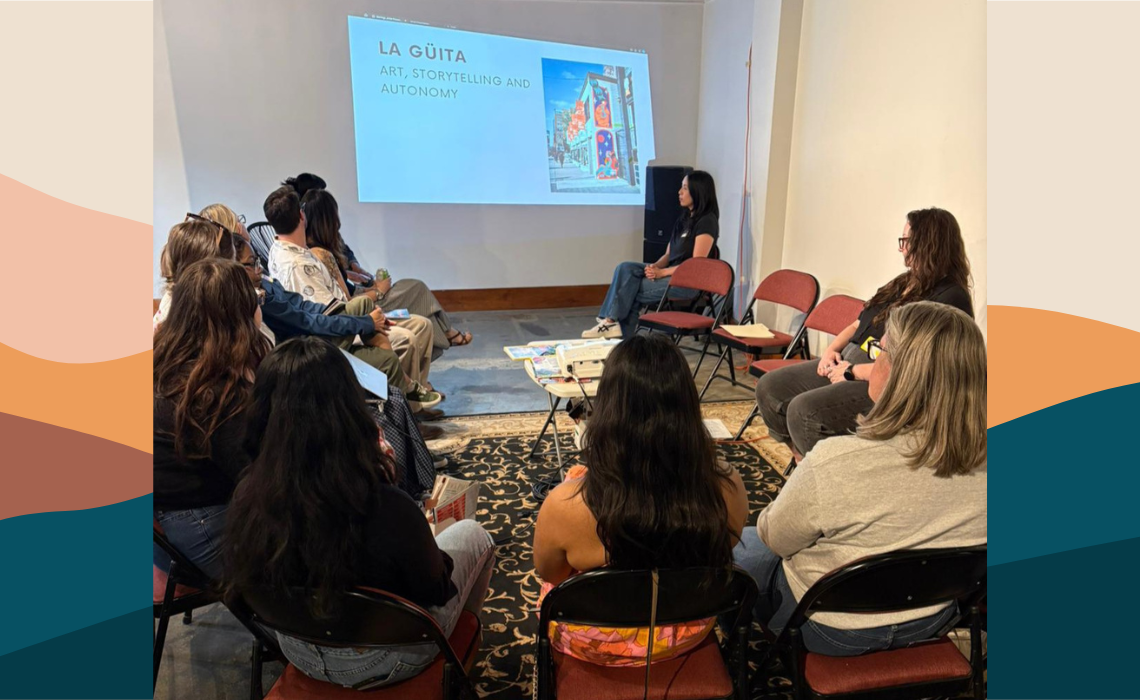
Part A: Factors Hindering Healthcare Autonomy in Youth Affected by Parental Substance Use and Restoration through Art based Support
The first half of this scholarly report aims to detail the factors impeding on youth’s autonomy in mental healthcare institutions while affected by parental substance use disorder. It does so in the format of a literature review and is accompanied by Part B.
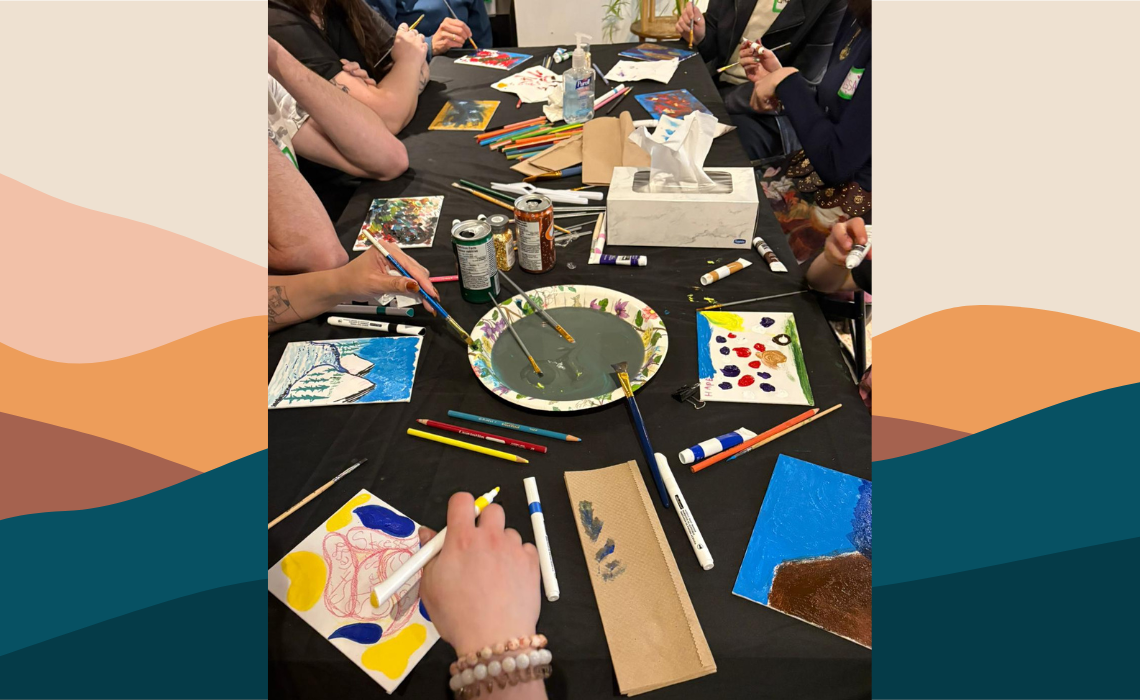
Part B: Caring for the Carers: Restoration through Art-based Support
The second half of this scholarly report aims to bring light to the efficacy of art-based therapeutic practices while navigating the complexities of youth’s autonomy in mental healthcare institutions while affected by parental substance use disorder. It does so in the format of a blog-based review and follows Part A.
Infographic: Supporting Youth Autonomy Through Art-Based Practices
This infographic aims to display a comprehensive summary of the systems analyzed in response to the overarching wicked problem and explore the selected intervention; art-based support.