 MENU
MENU



The brain-gut connection
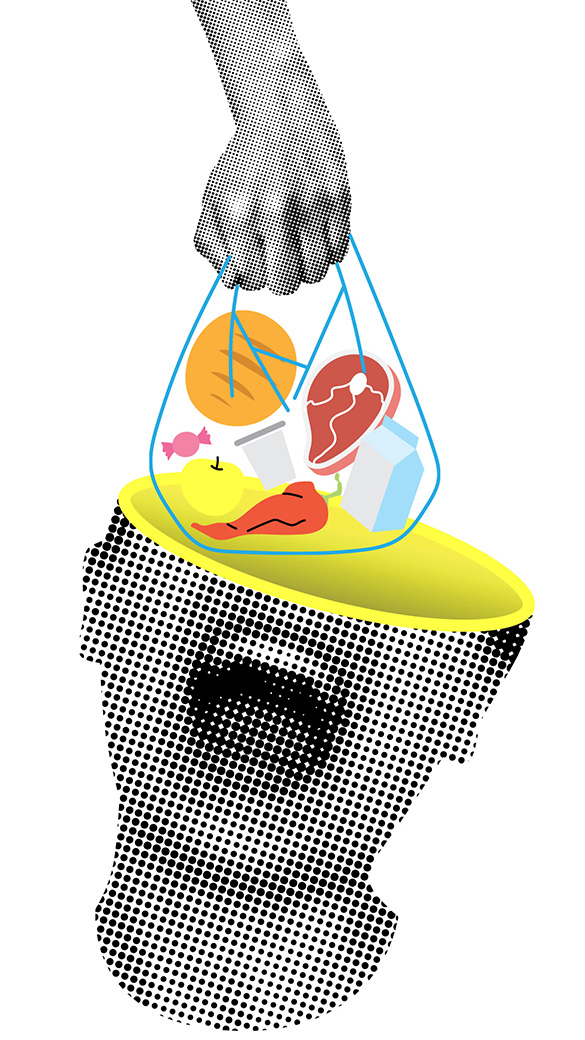
Many of us feel happier after eating a delicious meal or a sweet treat, and emerging research is highlighting just how connected the gut and brain are.
Can food truly make us happy?
Maintaining a healthy lifestyle overall with a balanced diet and proper activity levels contributes to good brain health. Dr. Lynne Lafave, PhD, a professor with the Department of Health and Physical Education and a member of the Dietitians of Canada says there are a few key ingredients to incorporate into your diet for optimal brain function.
The brain depends on glucose as its main source of energy and the gut-brain axis is important for maintaining energy and glucose homeostasis.
"About half of the brain’s dry weight is made up of lipids, so in order to maintain good brain structure and function we should make sure our diet includes healthy fats," Lafave says. “Micronutrients such as B vitamins, vitamin D, iron, zinc and iodine play essential roles in early brain development and ongoing brain health.
“Amino acids like tryptophan and tyrosine serve as precursors for important neurotransmitters in the brain,” Lafave adds. Both are found in the same sorts of foods including cheese, chicken and fish.
While diet is an individual choice, certain approaches have been studied and associated with better cognitive function. Lafave points to the Mediterranean diet, which has been associated with improved brain function and a lower risk of depression. The Mediterranean diet consists mainly of fruits and vegetables, whole grains, beans, healthy fats from olive oil, nuts, seeds and fish.
Comparable findings have been linked to the DASH diet (Dietary Approaches to Stop Hypertension), which is similar to the Mediterranean diet in that it emphasizes fruits and vegetables, whole grains, lean proteins and healthy fats, but goes further to also suggest low-fat or fat-free dairy.
For those looking to optimize brain health with their diet, Lafave suggests referencing the reconceptualized food guide for brain health, which was developed by Dr. Matthew Parrott, PhD, of the Baycrest Rotman Research Institute in partnership with members of the Canadian Consortium on Neurodegeneration in Aging.
In the last few years more research has emerged about the role diet plays when it comes to our mental health. According to Lafave, there are a few different ways in which food can impact how we feel, one being neurotransmitter levels that are crucial for signalling the brain. Another developing area of research is how certain nutrients influence and affect neuroplasticity, neurogenesis and synaptic function. Research is also being done on the gut microbiome and what links might exist to such mental illnesses as anxiety and depression.
So in a way, food can truly make us happy, although unfortunately there is no recipe for happiness soup just yet. In the meantime, following a diet that is best suited to your individual needs that makes your body and brain feel best is a good start.