 MENU
MENU



A child's amazing brain
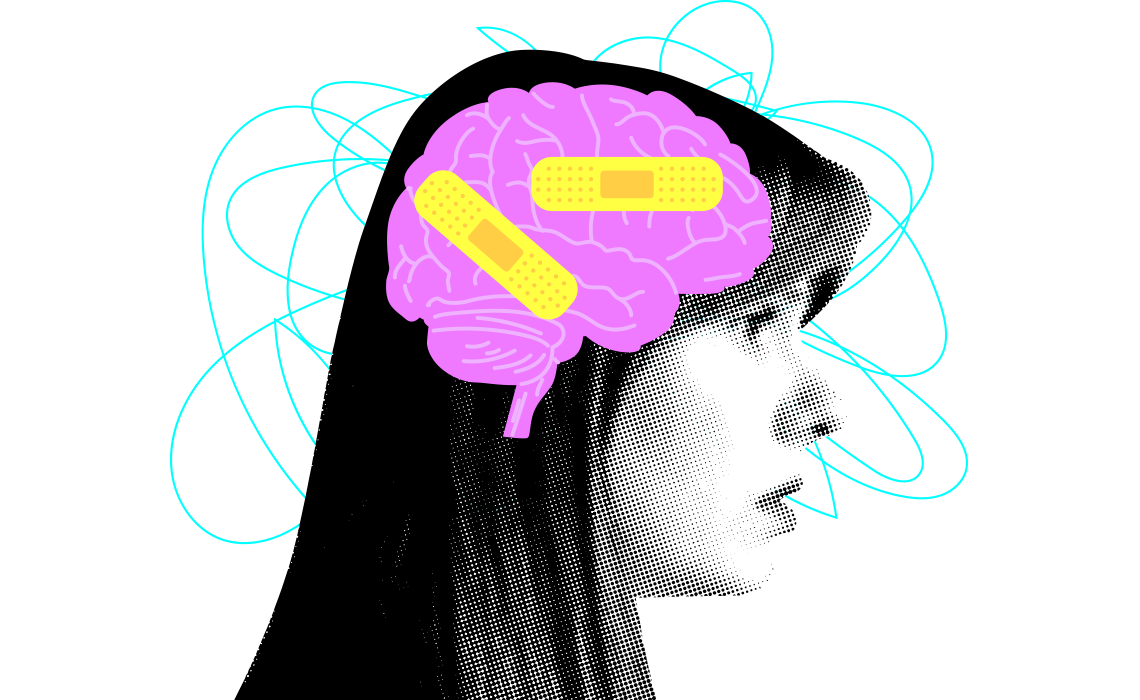
A child’s brain is the most amazing organ. A composition of mainly water and fat, it allows a child to walk and talk, to laugh and cry, to love and play. Everything a child does, thinks and feels, every wish, dream, regret and hope, is mediated by the brain. A child’s brain defines who they are.
Infants are born with brains that are very much under construction. Serving for a lifetime and eventually weighing about three pounds (1.4 kilograms), the brain will continue to learn, become more efficient and heal itself from many injuries and insults. Yet 90 per cent of brain growth occurs by the age of five. How does this incredible growth happen and how can we support it?
Brain architecture
At birth, a baby’s brain is packed with neurons, but only those most necessary to support basic life are connected and functioning (such as breathing, sucking and swallowing). During the next five years, the brain is primed to make an astounding one million neural connections per second. Try to imagine that explosive growth, every second of every day for several years.
A baby’s brain is built from the bottom up, with simple neural connections paving the way for more complex connections throughout life. Just as a house needs a sturdy foundation to hold up walls and a roof and withstand the elements, a baby’s brain needs a sturdy foundation to thrive for a lifetime. During the first five years, a child’s brain sequentially builds sensory and physical co-ordination and language (often more than one); identifies emotions and stores memories; and begins to develop planning, problem-solving, decision-making and self-regulation (executive function skills) crucial to success in school, work and relationships. This final development is so complex, it isn’t complete until age 25 or later.
The more relationships, the better
A baby’s developing brain is shaped by the interaction between genetic inheritance and an environment of relationships, “serve-and-return” interactions and experiences. Just as a house is built by a construction crew with different skills (framers, electricians and roofers), babies benefit from having many people in their relationship crew, each bringing their own roles and skills (family, friends and educators).
Serve-and-return relationships can be thought of like a tennis game, where a ball is hit back and forth. This serve-and-return game begins right after birth when an adult holds a newborn, gazes into their eyes, and creates the first connection. While a baby’s vision is quite blurry at birth, they are able to focus at a distance of about 25 centimetres, coincidentally about the distance between the infant’s and adult’s eyes. The game continues as the baby coos and dad responds with a snuggle, or when grandma tickles and the baby giggles.
Sometimes recognizing and responding to an infant’s serve is difficult. Until infants develop language, they need to communicate using crying or fussing. They aren’t trying to manipulate adults; they are communicating that they are wet, cold, hungry or frightened. As they learn language, young children continue to seek serve-and-return interactions in many different ways and when adults respond consistently, the game continues.
We can’t always be completely available to our children; the occasional dropping of the ball can’t be helped. But when children constantly feel that their serves are not recognized or returned, or when they are being artificially stimulated by technology rather than a human voice or touch, the experiences may form weak connections that threaten the shaping of a sturdy foundation.
Toxic stress
Stress is a feature of modern life, even for young children, but not all stress is harmful. Positive stress, such as starting child care or making new friends with the support of adults, can help to develop necessary coping strategies, a key element of resilience. Some stress is more extreme, such as a parent becoming ill or losing a job. Even very young children can feel the atmosphere of stress in a home and become fearful and stressed themselves. Through these difficult times, when adults acknowledge the children’s fears and continue to provide love, most children can cope. However, a third type of stress, known as toxic stress, is very harmful to children. Toxic stress may be a serious one-time experience such as a natural disaster or a chronic experience such as child abuse or neglect. When there are no adults available to provide support and comfort to the child, toxic stress can literally derail healthy brain development.
The healing power of the brain
In the early years, when synapses form very rapidly, the young child’s brain becomes extremely crowded and inefficient. Think of urgently calling a toddler to “STOP!” and watching them continue to run while the call is heard, interpreted and sent to the motor control area of the brain before they can stop. An inefficient brain can be dangerous, especially if the toddler is heading towards the road. At about the age of three, the brain begins a lifelong process called pruning, when neurons that have never been connected or connections that are no longer used are snipped away. Pruning continues throughout our lifetime; the adage “use it or lose it” is true. The remaining connections are coated with a substance called myelin, which not only protects but also allows the connections to
“fire” more frequently and recover more quickly. The brain becomes more efficient.
Between building new and pruning old connections, the brain is constantly refitting itself, adapting to new environments, learning new skills and repairing damage caused by injury (such as concussion) or insults (such as substance abuse). While our brains adapt and heal throughout our lives, it is much easier and more effective to shape a healthy brain architecture when we are younger.
The early years are key to establishing a strong foundation for a healthy life, but the healing power of the brain tells us that a child’s future is not set in stone at the age of five. A difficult first five years is not a life sentence. Our responsibility when caring for young children is quite simple: love them, engage in serve-and-return interactions, provide nurturing environments and be there when things are difficult.
The Center on the Developing Child at Harvard University is an excellent site for further exploration of early brain development.
Dr. Dawne Clark, PhD, is a professor emerita of Mount Royal’s Department of Child Studies and Social Work.