 MENU
MENU



Rooted in sustainability
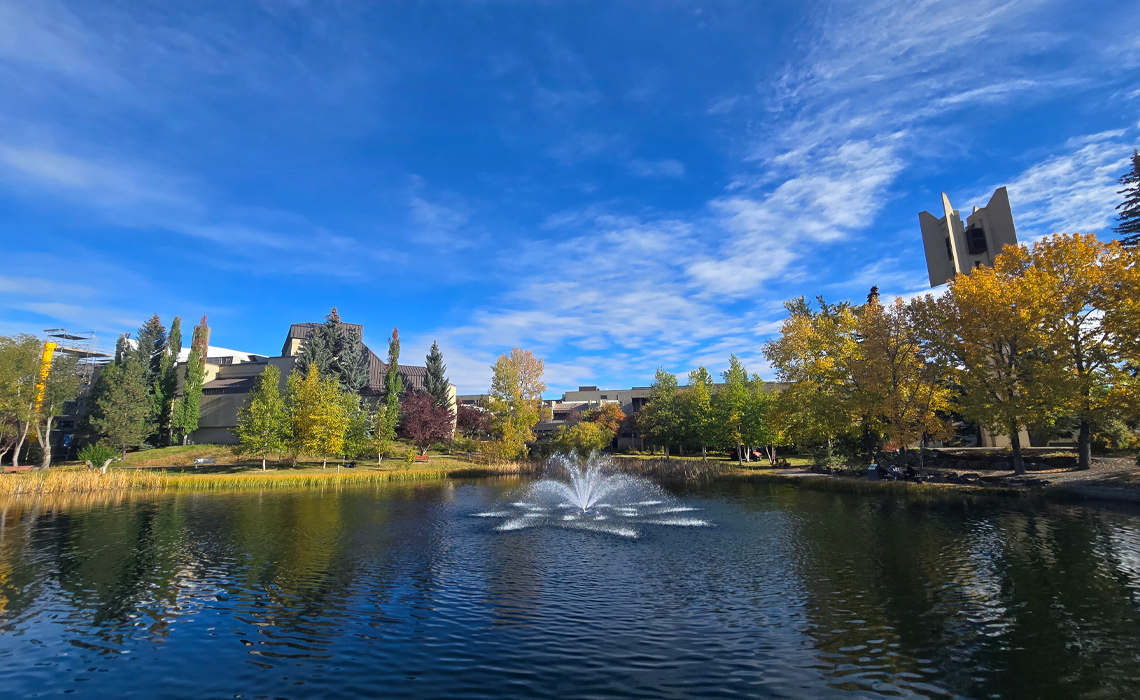
Walking across the Mount Royal University campus as autumn fully takes hold, it’s easy to appreciate the way trees frame the pathways, provide shade for gathering spaces and create a living connection to the land. More than just landscaping, MRU’s trees are an integral part of the university’s commitment to sustainability, biodiversity and community well-being.
Many of MRU’s tree plantings date back decades, with species ranging from poplars and spruce to ash, elm and ornamental varieties. While some trees were chosen for availability at the time, recent plantings reflect a more deliberate approach.
“We’ve been intentional about planting trees in areas where they can thrive long-term,” says Shane Williams, manager of Grounds at MRU. “We always consider the growth requirements of the species, as well as how they fit within our broader landscaping and sustainability goals.”
Alongside signature campus spaces such as the Centennial Garden, Charlton Pond and the TransCanada Amphitheatre, newer plantings and native gardens support pollinators, conserve water and reflect the university’s goal of managing its land with ecological responsibility. The Grounds team is currently mapping every tree on campus, a process that will provide valuable data about species diversity, age and overall health. This inventory will help guide future decisions about planting, care and replacement.
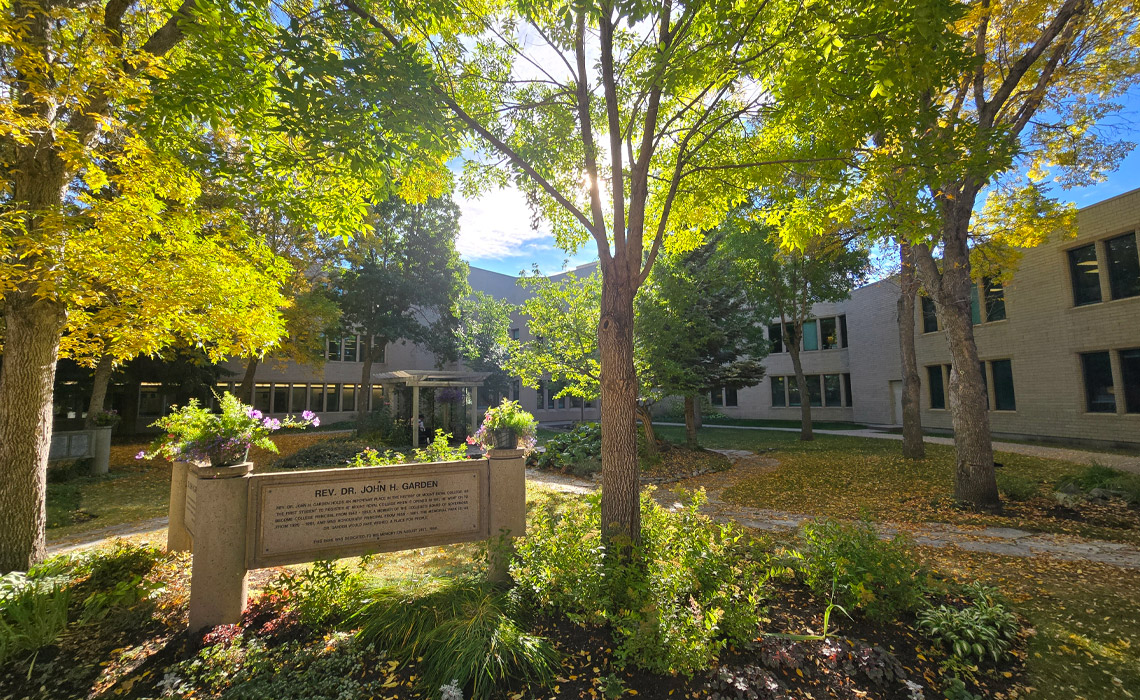
Tree care at MRU follows a proactive cycle of pruning and maintenance. Young trees are shaped early to encourage strong, balanced growth, while mature trees receive pruning to remove dead, damaged or interfering branches. Regular watering, especially during Calgary’s hot and dry spells, supports resilience and long-term vitality.
“This year has been very positive for our tree population,” Williams notes. “The extra moisture has supported strong growth and relieved some of the stress from previous dry years. Still, we need to stay vigilant since conditions can change quickly.”
Maintaining inventory
The Grounds team follows a guiding principle: for every tree lost, plant at least one new tree. With aging poplars on campus, this cycle of renewal presents an opportunity to strengthen and diversify MRU’s canopy. By planting a wider range of species, the University can guard against future pests and diseases that could impact large portions of its tree population.
One particular concern is the emerald ash borer, an invasive beetle that has devastated ash trees in other parts of Canada. “We’re beginning to see more evidence of their presence here,” Williams explains. “That’s why diversifying our species mix is so important. We want a canopy that’s resilient to these kinds of threats.”
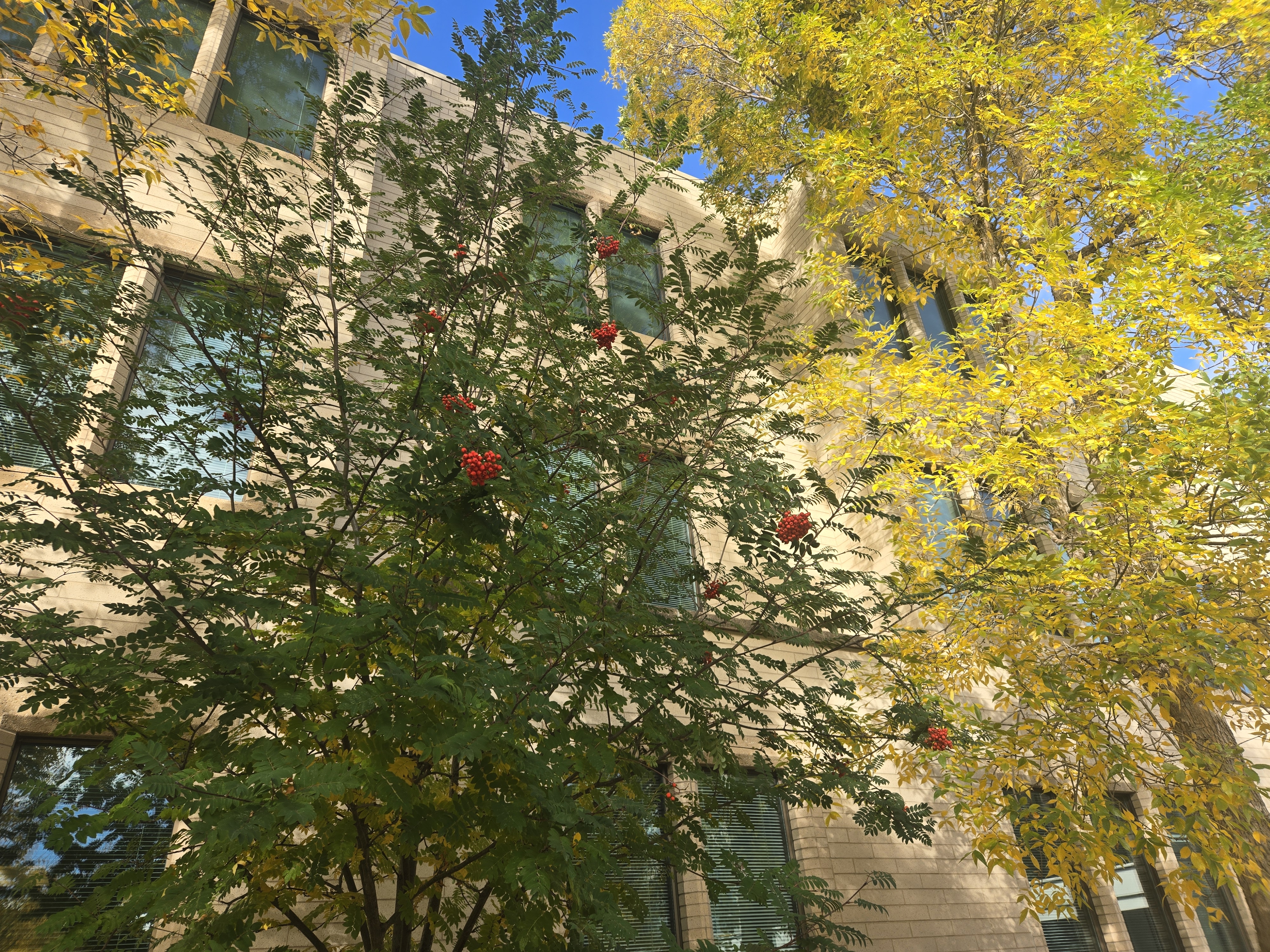
Trees on campus provide far more than aesthetic value. They also cool the grounds by reducing the urban heat effect, support biodiversity, especially when paired with native plantings, manage stormwater through natural filtration and even help enhance mental well-being by offering calming, shaded spaces for study and reflection.
By integrating tree stewardship into its sustainability framework, MRU is ensuring that its green canopy continues to thrive for generations to come. Whether it’s through a pollinator-friendly garden, a shaded lawn gathering space, or the long-term care of poplars and ash, MRU’s approach to tree management reflects a larger vision of ecological stewardship. The University’s trees are living assets, supporting the health of both the campus and the Calgary community.
As Williams says, “We’re always looking for opportunities to plant more, to care for what we have, and to create a tree canopy that will be stronger, more diverse and more resilient in the future.”