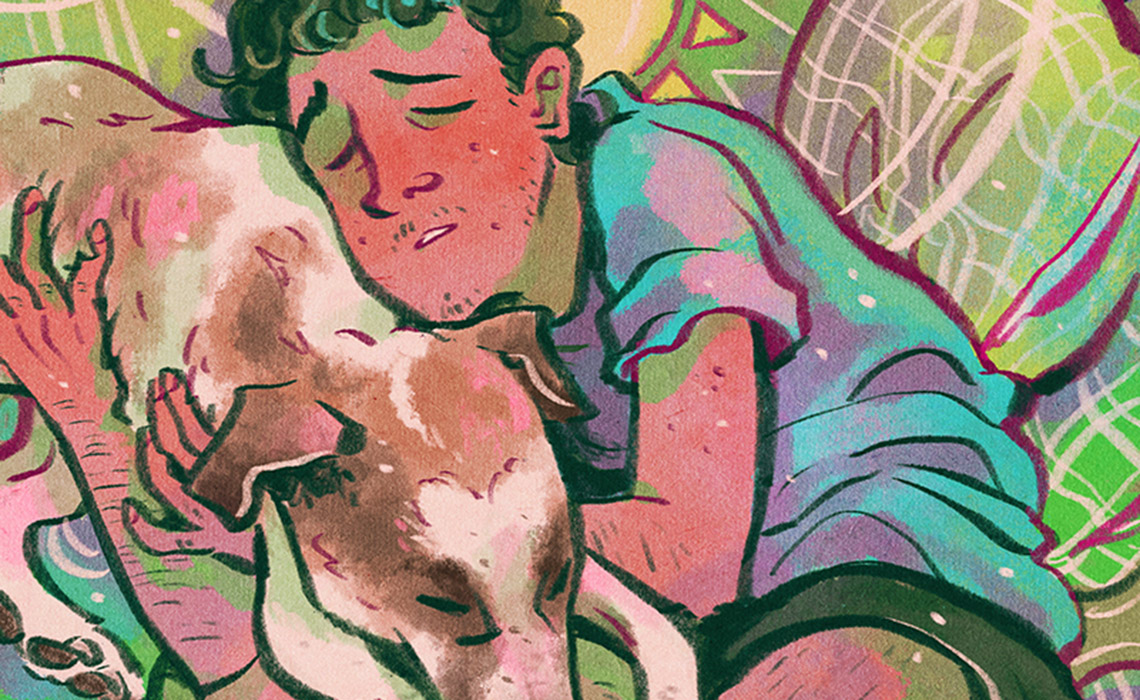
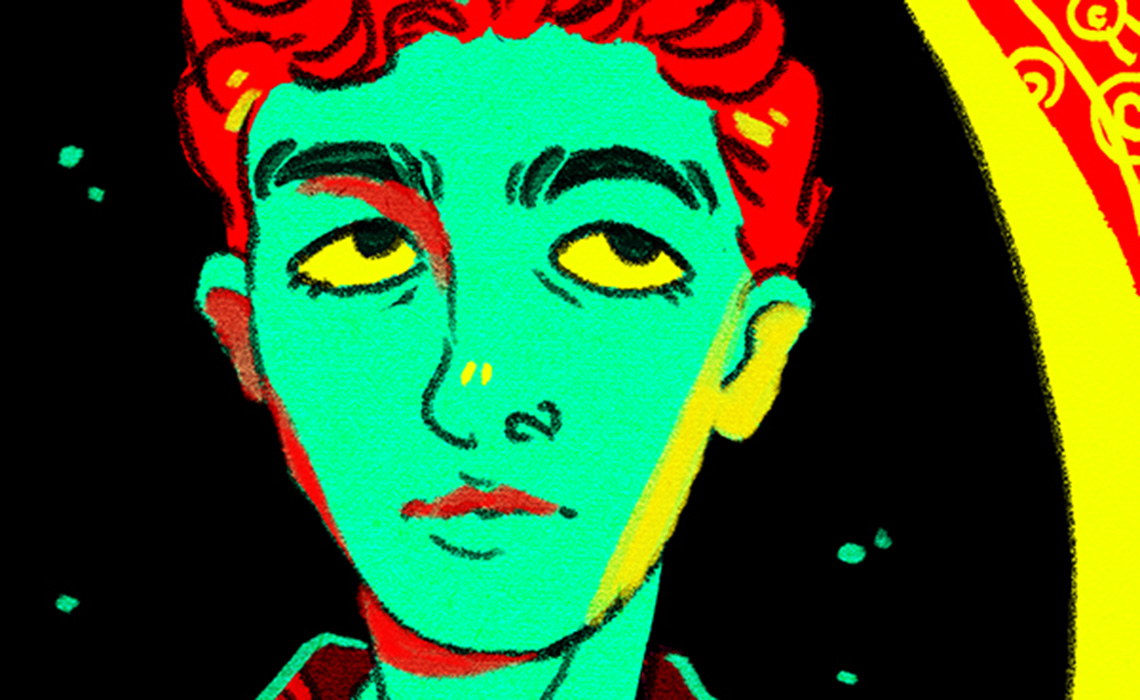
Mount Royal’s 2026 writer-in-residence is someone who thinks in panels, pacing and pauses.
This February, Assan will serve as MRU’s writer-in-residence. During his week on campus, he will review student manuscripts, provide one-on-one guidance, and lead a public discussion on the craft of comics — from how words and images work together to the creative choices involved in bringing a story to life.
We chatted with Assan ahead of his residency about the beginnings of his comics journey, making the jump to long-form graphic novels and what makes the medium so compelling.
How did you first get into drawing and comics, and what keeps you inspired all these years later?
I’ve been reading comics from a young age, but I got really into them in my teens when I discovered webcomics — those comics were made by other young, often queer people, and it made me realize that I could probably make them, too.
My love for storytelling has never gone away, and so it’s easy to get excited about making comics. Naturally, though, I’m not inspired to work on them 100 per cent of the time — but it is my job, so I have to power through.
You published your first graphic novel, Sunhead, in 2023. What was the biggest change you had to make, creatively or technically, when moving from webcomics to a full-length book?
To me, there were two major differences in the process. The first was that with a webcomic, you can take things at your own pace, and you can figure a lot of things (such as the plot and the length of the comic) out as you go. When you work with a publisher, though, you have to plan things in advance and deliver.
The second big difference was the publication itself. When you draw a webcomic, you generally get to share it with your readers throughout the process. With a book, you work by yourself, and you can’t show anyone what you’re making until it’s done. It’s a little lonely, and because you don’t get direct feedback from readers via comments, sometimes you feel like there’s no audience at all.
What does your creative process look like when starting a new project? What steps do you take when you feel “stuck”?
The beginning of the project is, to me, the most fun and creative part. I tend to work with another writer, so it’s a lot of talking, planning, finding inspiration, coming up with designs and ideas, and generally playing around.
I find that collaborating with another person is the best way for me to not get stuck — brainstorming sessions or just talking about the project usually spark inspiration, and I feel more motivated when I have someone else to share the experience with.
When you look back at your earliest work, what’s the biggest shift you see in how you approach storytelling now?
Having a deeper understanding of both the medium of comics and my own influences, skills and interests has made the biggest difference between my current and earlier work. My creative decision-making is much more intentional now, which is usually a good thing, though sometimes I miss the naivety that came with being utterly clueless about what was and wasn’t possible.
Graphic novels have experienced a significant rise in popularity in recent years. Why do you think readers are connecting so strongly with the medium?
I think readers have always connected with comics, and the thing that’s changing is the sense of legitimacy that society is starting to grant them as an artistic medium. People love stories, and comics are very effective at telling them. It’s only because they’ve had a reputation for being “low art” for so long that a lot of people, as well as publishers, never took them seriously enough to give them a chance. The internet granting audiences all over the world access to webcomics and manga was a part of what changed that — their popularity became undeniable, and so publishers finally saw the potential for profit.
Many students feel nervous sharing work that feels unfinished. What would you say to help them take that first step?
In my opinion, there is too much focus on sharing your work and not enough on just making it. When you forget about the audience and just make for the sake of making, eventually you will make art that you’ll be excited to share, and people will probably be excited to engage with. Or not! But if you want to persevere as an artist in the long run, enjoying the act of creation should be enough to sustain you.
In terms of sharing in the context of asking for feedback, it’s simply a necessary evil that you have to endure if you want to become better, faster. Share with people that you trust and whose opinion you value, and don’t be embarrassed to ask them to be gentle when reviewing your work if you’re nervous. Helpful feedback should motivate you, rather than make you feel inadequate.
 MENU
MENU