 MENU
MENU



Kingsmill eyes Paralympic gold
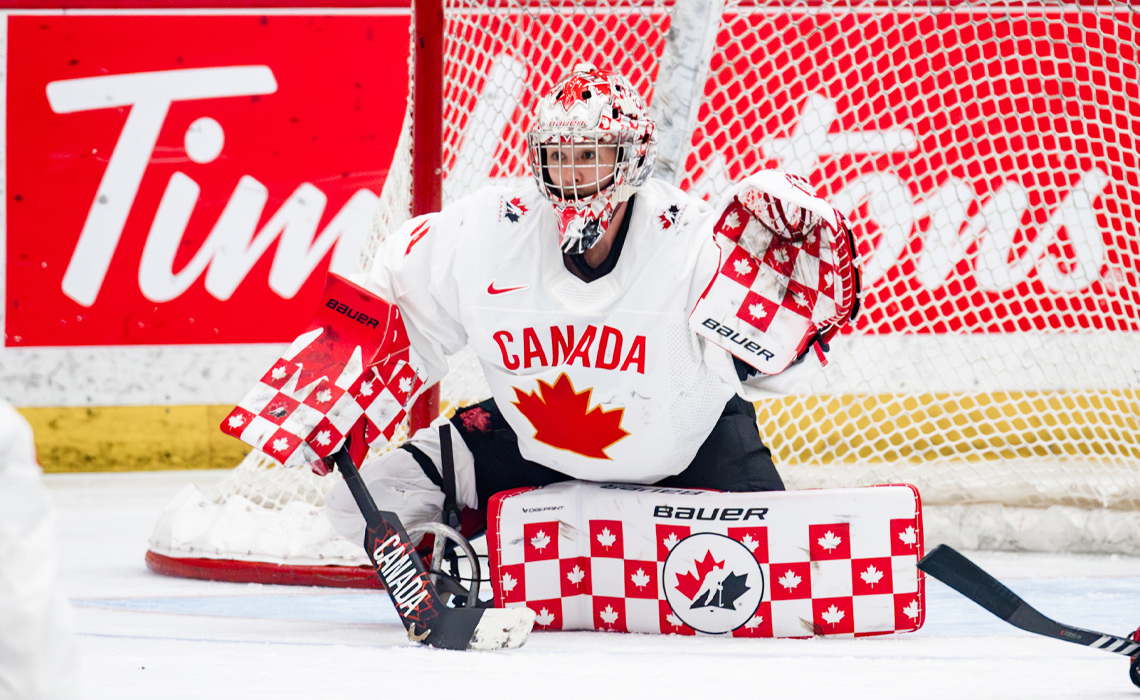
Every time Adam Kingsmill dons the maple leaf, he feels it — the thrill, the responsibility, the history stitched into the crest. Four years after backstopping Canada towards a silver medal in Beijing, the para ice hockey goaltender is returning to the Paralympic stage with unfinished business.
“After experiencing the high level and bright lights of Beijing, I left that tournament with a clear idea of the level I needed to reach,” he says. “That involved a lot of conditioning, technical and tactical training, and, most of all, mental prep.”
Kingsmill committed to the process. Sports psychologists became part of his preparation, training sharpened and recovery grew more intentional.
“The short four years between Games has felt like a decade’s worth of experience. It’s made me a more mature athlete, teammate and friend.”
Backyard ponds to Paralympic ice
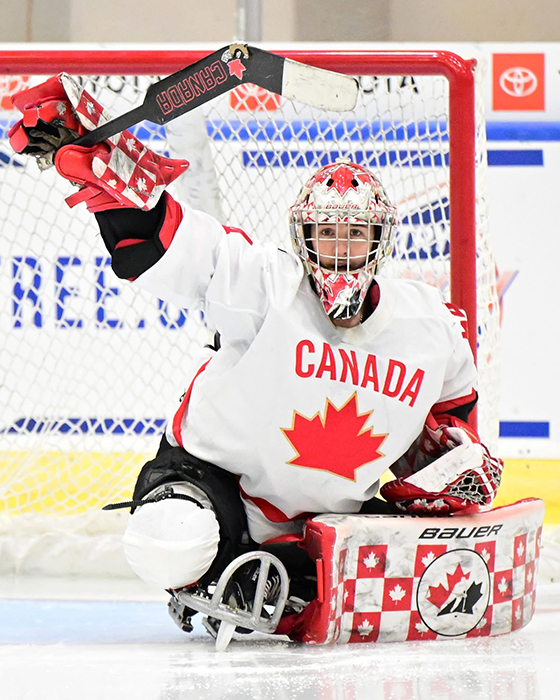
Kingsmill grew up in a hockey family in the small town of Smithers, BC. He lost his lower right leg in a lawnmower accident at age two, but just six months later was skating on the family’s backyard pond.
His love of the game progressed from local competition to high performance and eventually to Canada’s national para ice hockey program. When he made his Paralympic debut in 2022, however, something was missing. Pandemic restrictions kept family and friends out of the stands.
That changed at the 2024 World Para Ice Hockey Championships in Calgary. Kingsmill turned aside 24 shots in Canada’s 2-1 win over the United States to secure gold on home ice. It marked the first time since 2017 that his family could watch him compete in person.
He hopes to share that moment again in Milan.
“Not only will it be a dream come true to have the support of family and friends in attendance, but having an international audience is a great opportunity to grow the game,” Kingsmill says.
“I’m looking forward to finding my family in the stands during the anthem and feeding off the energy of the crowd.”
Always in motion
The pace of para ice hockey continues to accelerate year over year. Shooters are faster and more deceptive. The margins are thinner.
Kingsmill has evolved alongside the sport. He incorporates video and statistical analysis, virtual reality training and custom sled technology designed to maximize performance.
“I’m fortunate to be surrounded by an incredible support staff who go above and beyond each day by bringing new and tested methods via treatment, training and gear,” he says.
Experience, he adds, is just as important.
“Most of our competitions are short, single-elimination tournaments. They can be stressful at times and they always go by fast,” he says. “Heading into Milan, I’ll be leaning on those experiences to ensure I’m present throughout the week and really focus on what matters now.”
A student of the game
Since his last Paralympic appearance, Kingsmill has graduated from Mount Royal’s athletic therapy program and become a certified athletic therapist — training he credits with elevating his play.
“Completing an intensive program such as athletic therapy made a profound impact on my playing career,” he says. Balancing practicums, classes and elite sport sharpened his time management and ability to compartmentalize. Athletic therapy, meanwhile, reshaped how he trains.
“Every session has purpose instead of just pushing for volume. I’m more proactive with recovery now, and I have a clearer understanding of movement, load management and injury prevention.”
The result is a goalie who is not only technically sharper, but more durable and consistent.
Going for gold
As the Milano Cortina 2026 Paralympic Winter Games approach, Kingsmill is drawing on everything he has learned — from world championship success to the discipline of daily preparation — to stay grounded in the moment.
Representing Canada remains as meaningful as ever.
“I’ve been incredibly fortunate to don the maple leaf for several seasons now, and the feelings of excitement and pride never fade,” he says. “I do not own the jersey, but I am a caretaker of it, and I am continuously striving to leave it in a better place than when I first had the opportunity to wear it.”
The Milano Cortina 2026 Paralympic Winter Games begin March 6. Team Canada opens its para ice hockey schedule against Slovakia on March 7.