 MENU
MENU



Recognizing Filipino Heritage Month
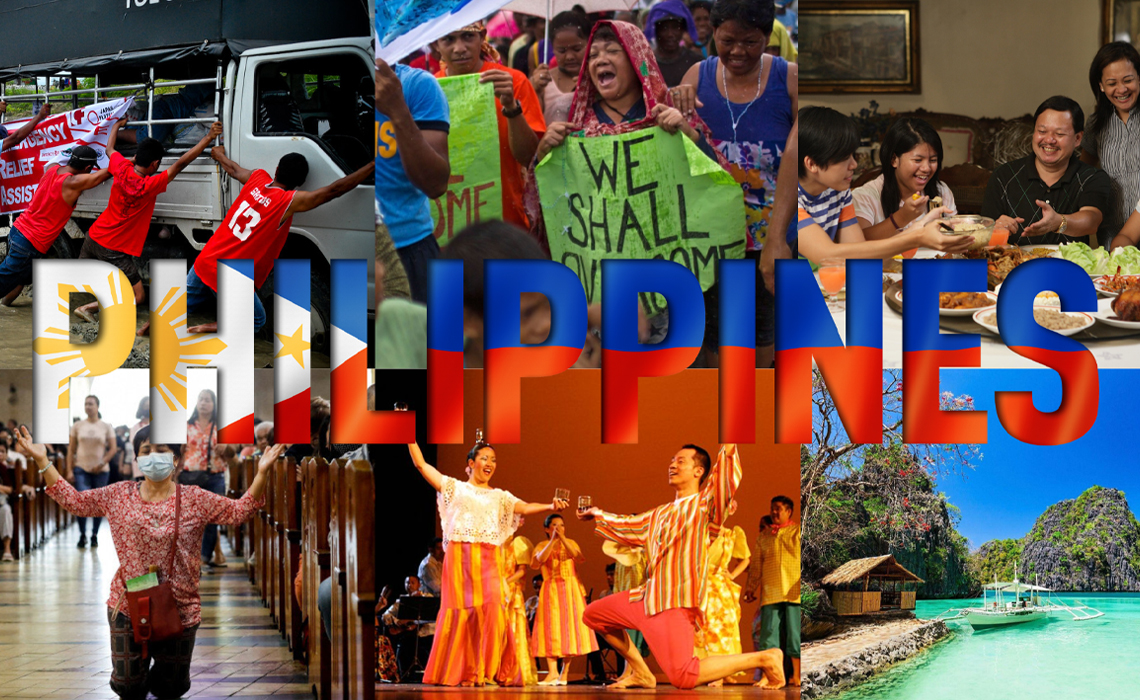
June marks Filipino Heritage Month, a time to recognize and celebrate the rich history, cultures and contributions of Filipino communities across Canada. In a statement made on June 1, 2022, Member of Parliament and former minister Ahmed Hussen shared, “Every June, we celebrate Filipino Heritage Month, an important time to recognize and highlight the many invaluable contributions Canadians of Filipino heritage make each and every day to the country we call home.”
June 12 also marks Philippine Independence Day. While Independence Day was originally recognized on July 4, in 1962 Philippine president Diosdado Macapagal officially moved the national holiday to June 12 to honour the original 1898 declaration of independence.
Philippine Independence Day is celebrated around the world through festivals, parades and community gatherings that showcase Filipino culture, cuisine and traditions. Across many major cities, Filipino communities organize cultural performances highlighting traditional music, dance and martial arts (Volle, 2025).
As part of MRU’s Beyond Borders series, led by the Office of Community and Belonging, Rissa Myers and Maria Agustin co-facilitated a session titled Discovering the Philippines.
Myers says, “It was such an exciting experience to step 'Beyond the Borders' and share the heart of Filipino culture! I spoke on Bayanihan (communal unity) — a spirit of togetherness that I am incredibly proud to have found right here within my Mount Royal community. The event truly had a "fiesta" atmosphere, filled with learning, dancing, singing and meaningful connections.”
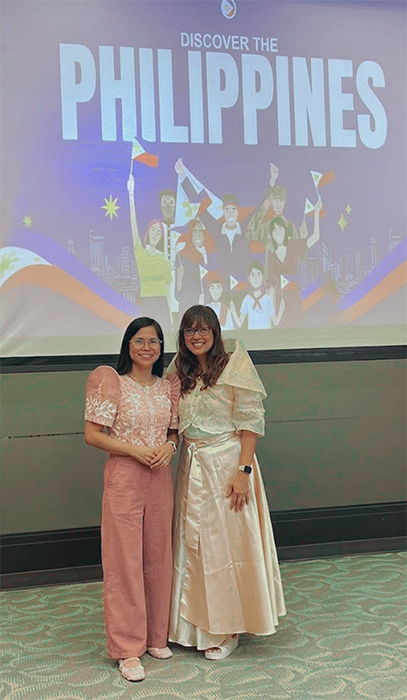
During the session, participants explored:
- The Philippines’ history of resilience, including the Spanish Legacy, American Era, Japanese Era, the Declaration of Independence on June 12, and the Treaty of Manila on July 4
- Filipino as the official national language, rooted in Tagalog, alongside the many Indigenous languages spoken throughout the Philippines
- Religion and the role of Catholicism in Filipino culture, including traditions such as Simbang Gabi, a nine-day series of dawn masses leading to Christmas, and nationwide fiestas celebrating local patron saints
- Bayanihan, the Filipino spirit of community care and helping others without expecting anything in return
- The importance of respect through the use of “Po” and “Opo” when speaking with elders or individuals in positions of authority
- Filipino food as the “language of care,” highlighting how food expresses love, hospitality and connection. Participants learned about the common phrase “Kumain ka na ba?” (“Have you eaten?”), a meaningful expression of care and concern for others, and discussed the cultural significance of Jollibee, a popular Filipino brand that brings out a sense of home, community and shared celebration for many Filipinos around the world.
- Cultural traditions including Tinikling, the national dance of the Philippines, Pandanggo sa Ilaw, also known as the Dance of Lights, and the beloved Filipino tradition of karaoke, rooted in joy, connection and celebration.
- Breathtaking natural wonders, from sweeping landscapes to crystal-clear blue waters, and pristine beaches of Boracay, Siargao and Palawan.
“Filipino Heritage Month is about belonging. It’s the feeling of carrying home with you through culture, food and values, no matter how far you are from the home. Presenting at Beyond Borders made me realize that sharing my culture is not just about representation. It is about connection. It is a way of honouring my roots while inviting others to understand and celebrate them too,” Agustin says.
The Beyond Borders sessions are a dynamic, curiosity-driven cultural competency course designed to take participants on a journey across vibrant cultures from around the world. Each month, participants explore traditions, values, stories, rituals and communication styles that shape how people live, connect and foster belonging.
So far, Beyond Borders has explored Bangladesh, South Korea, Persia, Nigeria, Jamaica, Ukraine, Guatemala, Ireland and the Philippines. The series will return in the fall with upcoming sessions focused on Brazil, Pakistan, the United Kingdom and Japan.
Through Beyond Borders, members of the MRU community are invited to share their culture, country and lived experiences in ways that foster learning, dialogue and connection. Interested in presenting? Express your interest here.
Sessions fill quickly. Stay updated on upcoming events and initiatives by signing up for the Office of Community and Belonging newsletter.