 MENU
MENU



The scoop on elk poop
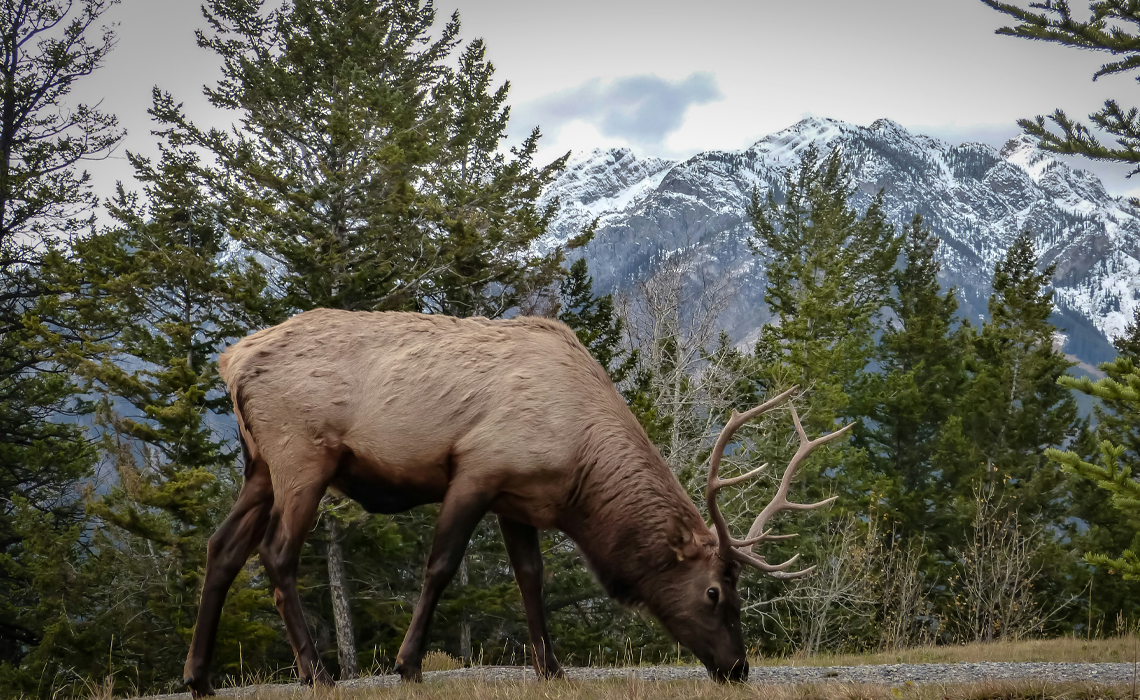
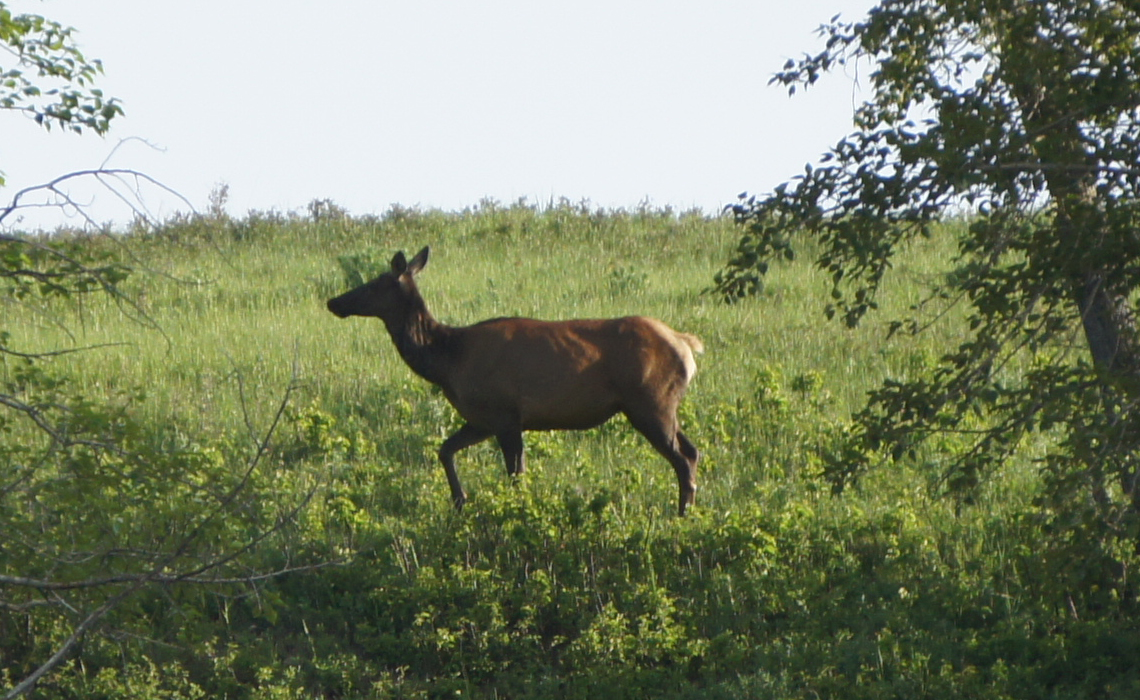
Mount Royal University researchers are putting the call out for citizen scientists to help study elk in southern Alberta. While herds can be spotted in various locations in the province, tracking the long-distance movements of these large animals is a challenge.
To bridge the gap, Dr. Levi Newediuk, PhD, an assistant professor with MRU’s Department of Biology, and his team are launching a new study to map elk movements and herd associations — but they need help from community members.
The research team is calling on landowners, ranchers, land stewards and knowledge holders to help collect naturally shed elk hair and fecal pellets (poop).
Newediuk joined CBC Calgary’s The Homestretch (hosted by MRU alumnus Chris dela Torre) to talk about the project.
“These samples contain genetic material — DNA,” Newediuk says.
“By sampling DNA from many elk, we can identify which individuals and herds are related. This will help us better understand how far elk move and how herds are connected across the landscape, supporting strategies to improve coexistence with elk in southern Alberta.”
Newediuk notes that herds can be quite large, sometimes travelling by the hundreds, as they are very social creatures.
“But we don’t really have a good idea of where they are at any particular time and where they are going,” Newediuk says. Through genetic sampling, researchers will also be able to tell which individual elk and herds are intermingling.
Another important part of the study is the coexistence aspect. Newediuk says herds can be quite disruptive for farmers.
“Elk are these huge animals that travel in the hundreds. They knock over fences and eat crops, so they are a big problem for farmers.”
On the other hand, Newediuk notes that some people in the province hunt elk and he they are a species that does need to be managed.
“That’s not my area of expertise, but as a researcher I am interested in providing this kind of information to others so that they can use it.”
How to help track Alberta’s elk population
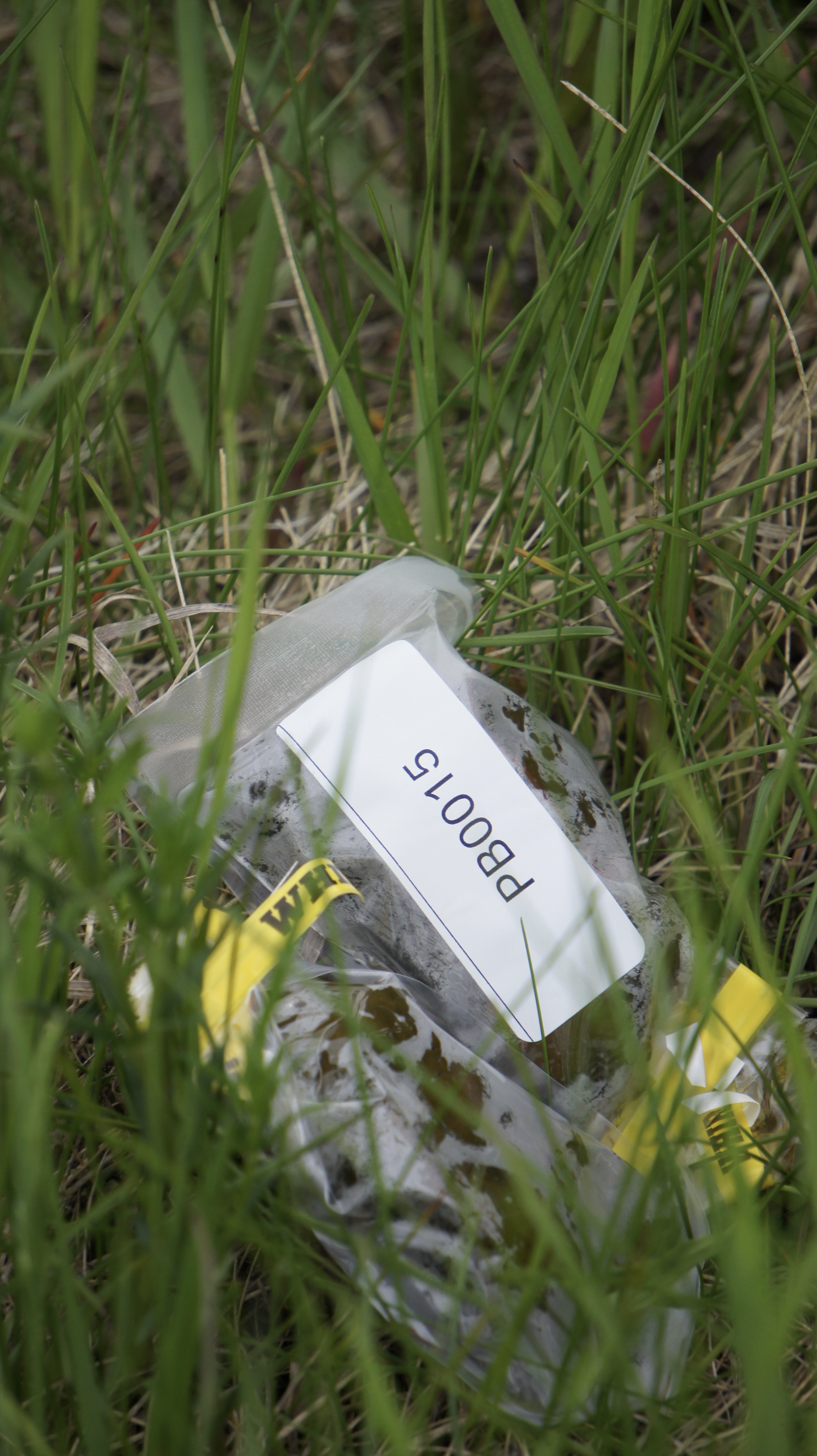
For anyone looking to help, at minimum researchers need samples to be collected in a sealed plastic bag such as a Ziplock, and ideally labelled with the date and location of collection.
“If it’s poop, it goes in the freezer, and hair can be kept at room temperature."
People are welcome to do that on their own, says Newediuk, but the research team is also available to come collect samples themselves if granted access to private land. In addition, there are collection kits available that contain materials and instructions that can be sent out to anyone assisting.
Those interested in participating are asked to reach out directly to Newediuk and his research assistant Sophia via email at lnewediuk@mtroyal.ca and svigb809@mtroyal.ca. Follow their Instagram account @elkconnect_mru.